There is a unique, quiet magic in sharing your life with a cat. Unlike dogs, whose affection is often immediate and loud, earning a cat’s trust feels like an earned privilege. When a feline companion chooses your lap for an afternoon nap, responds with a soft chirp to your voice, or kneads your blanket with rhythmic contentment, the bond is profound.
Yet, beneath their independent and aloof exterior, domestic cats are complex, sensitive creatures with deeply specialized biological, emotional, and environmental needs. Too often, cats are misunderstood as “low-maintenance” pets that simply require a bowl of dry kibble and a litter box. In reality, caring for a cat properly requires a nuanced understanding of their predatory instincts, delicate urinary systems, subtle stress signals, and unique medical vulnerabilities.
Whether you are welcoming your very first kitten or looking to elevate the care of a lifelong feline companion, this comprehensive handbook covers everything you need to know to keep your cat happy, healthy, and thriving for years to come.
You May Also Like



1. Understanding the Feline Mind: The Obligate Carnivore
To care for a cat effectively, you must first understand their evolutionary biology. Modern domestic cats (Felis catus) are direct descendants of the African wildcat (Felis lybica). Despite centuries of domestication, their genetic hardwiring remains virtually identical to that of a solitary desert predator.
The Obligate Carnivore Dilemma
Unlike dogs and humans, which are omnivores capable of processing a wide variety of plant and animal matter, cats are obligate carnivores. This means their bodies require specific nutrients found exclusively in animal tissue to survive and function properly.
- Taurine: An essential amino acid critical for normal heart muscle function, vision, and reproductive health. Cats cannot synthesize taurine on their own; a deficiency leads to irreversible blindness and fatal heart failure (dilated cardiomyopathy).
- Arachidonic Acid and Vitamin A: Cats cannot convert plant-based fatty acids and beta-carotene into the active nutrients their bodies require, meaning vegetarian or vegan diets are biologically fatal to felines.
- Moisture Drive: Because their ancestral home was arid desert terrain, cats evolved a remarkably low thirst drive. They do not instinctively drink standing water in the quantities they need, relying instead on the moisture content found within their prey (such as mice and birds, which are roughly 70% water).
2. Feline Nutrition: Feeding Your Cat for Longevity
Feeding a cat correctly is one of the most impactful ways you can prevent chronic illness, particularly renal failure and diabetes, which plague aging felines.
Wet Food vs. Dry Kibble: The Moisture Imperative
While dry kibble is convenient, affordable, and shelf-stable, feeding cats an exclusively dry diet sets them up for chronic, low-grade dehydration. Because cats rarely drink enough water from a bowl to compensate, dry-fed cats exist in a state of semi-dehydration, placing heavy, prolonged stress on their kidneys and urinary tract.
- The Gold Standard: Incorporate high-moisture wet canned food into your cat’s daily diet, or feed an exclusively canned and raw diet if budget allows. Wet food provides roughly 70% to 80% moisture, closely mimicking the natural water content of prey.
- Multi-Cat Water Hydration: If you feed dry food, supplement with multiple stainless steel or ceramic water fountains placed throughout your home. Cats prefer running, fresh water over stagnant bowls, and keeping water sources away from their food bowls (which cats instinctively view as contaminated by prey remains) dramatically increases drinking frequency.
Feeding Schedule and Weight Control
Avoid free-feeding (leaving a bowl full of kibble out 24/7), as it frequently leads to feline obesity—a major risk factor for diabetes, arthritis, and hepatic lipidosis. Instead, divide your cat’s daily caloric intake into two or three measured meals per day, and use puzzle feeders or slow-mat feeders to engage their natural hunting instincts during mealtime.
3. The Feline Environment: Mastering Space, Territory, and Stress
Cats are territorial creatures that view their home as a complex ecosystem of safety zones, hunting grounds, and resting areas. When their environment feels threatening or unstimulating, cats experience chronic stress, which manifests as destructive scratching, inappropriate elimination outside the litter box, or stress-induced cystitis.
Vertical Territory and Safe Refuges
In the wild, vertical space means survival it provides an elevated vantage point to scan for predators and survey hunting territory.
- Cat Trees and Wall Shelves: Install sturdy multi-level cat trees and wall-mounted perches that allow your cat to climb high above ground level.
- Quiet Retreats: Ensure every cat in your household has access to at least one designated safe room or hiding box (like a covered cat cave or a quiet closet shelf) where they can retreat completely undisturbed when they feel overwhelmed by visitors, children, or noise.
The Golden Rule of Litter Box Management
Inappropriate elimination is the number one behavioral reason cats are surrendered to shelters. In almost every case, it stems from poor litter box management.
- The Plus-One Rule: You should provide one litter box per cat, plus one extra. If you have two cats, you need a minimum of three boxes distributed across different rooms (not clustered together in one hallway).
- Box Dimensions and Litter Choice: Boxes should be at least 1.5 times the length of your cat. Avoid scented litters, which can overwhelm a cat’s sensitive olfactory system, and opt for fine-grained, unscented clumping clay litter that mimics natural soil. Scoop all boxes at least once or twice daily.
4. Grooming and Hygiene: More Than Just Looking Good
While cats spend a staggering 30% to 50% of their waking hours grooming themselves, they still require human assistance to maintain optimal skin and coat health, particularly long-haired breeds like Persians and Maine Coons.
Preventing Hairballs
As cats lick their fur, tiny hook-like papillae on their tongues catch loose hairs, which are swallowed. While most pass through the digestive tract, accumulation of hair forms dense masses known as hairballs, which are regurgitated.
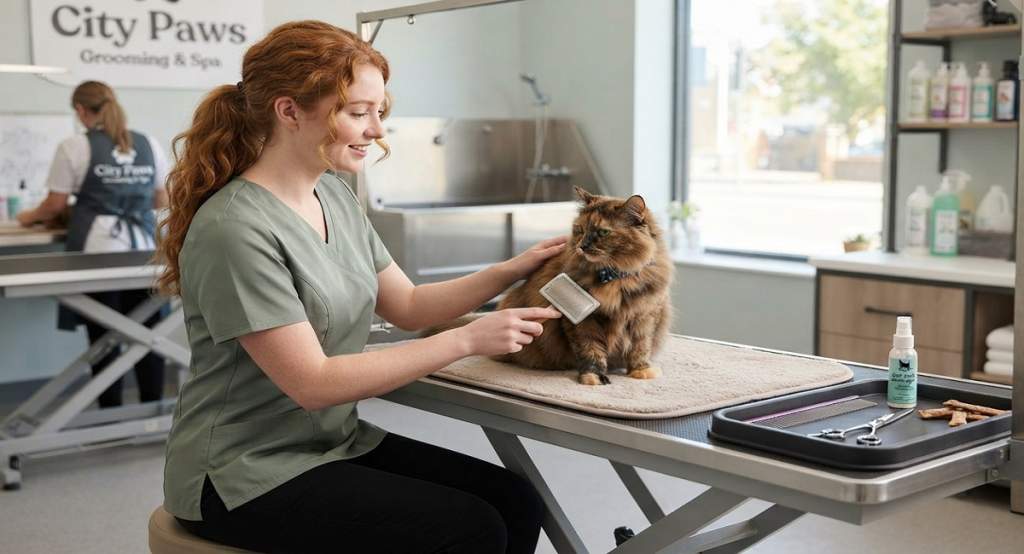
- Daily Brushing: Regular brushing with a slicker brush or rubber grooming mitt removes loose undercoat fur before your cat can swallow it. Providing specialized malt-based hairball gels or high-fiber diets can also assist with safe gastrointestinal transit.
Nail Maintenance and Dental Care
- Nail Trimming: Indoor cats need their front and rear claws trimmed every 2 to 3 weeks to prevent them from snagging on carpets or curling backward into the sensitive paw pads.
- Dental Hygiene: Periodontal disease affects over 70% of cats by age three, leading to severe pain and systemic organ damage. Introduce feline-safe enzymatic toothpaste and a soft toothbrush early, or utilize vet-approved dental diets and water additives.
5. Play and Enrichment: Activating the Predatory Sequence
Bored indoor cats frequently channel their unspent predatory energy into midnight zoomies, waking their owners up at 3:00 AM, or attacking human ankles. To prevent behavioral issues, you must satisfy the complete feline predatory sequence.
- Interactive Wand Toys: Never dangle a feather toy passively in mid-air. Make the toy scurry across the floor like a fleeing mouse, dart behind furniture, and flutter upward like an insect. Allow your cat to successfully catch, grab, and “kill” the toy at the end of the session.
- The Hunt-Catch-Eat Routine: Always feed your cat a small meal or a few treats immediately following an intense play session. This psychologically satisfies the final step of the predatory cycle (eating the catch), naturally triggering grooming and deep, restorative sleep.
6. Preventive Veterinary Care: Catching Illness Early
Cats are evolutionary masters at concealing pain and weakness. In the wild, a sick cat is an easy target; in our homes, this trait means a cat may suffer from advanced kidney failure, hyperthyroidism, or dental abscesses while continuing to purr and act normally.
Essential Veterinary Protocols
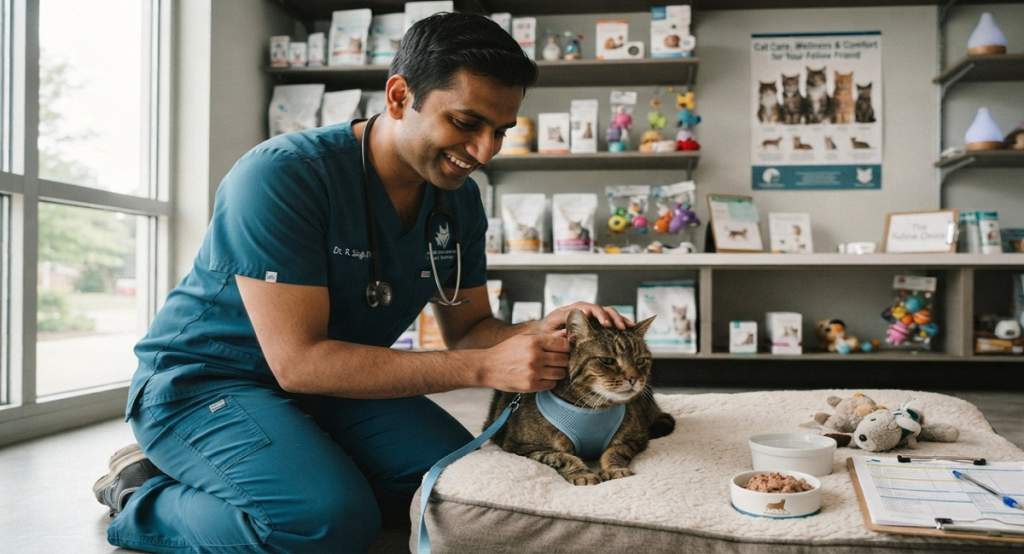
- Biannual Wellness Exams: Once a cat reaches seven years of age, veterinary check-ups should occur every six months. Comprehensive geriatric blood panels and blood pressure checks are vital to catch organ decline early.
- Core Vaccinations: Even strictly indoor cats require core vaccinations—including Rabies and FVRCP (Feline Viral Rhinotracheitis, Calicivirus, and Panleukopenia)—to protect against airborne pathogens that enter homes on shoes or clothing, or accidental escapes outdoors.
- Parasite Prevention: Maintain year-round indoor/outdoor preventative medications for fleas, ticks, and ear mites.
Key Takeaway: Caring for a cat is an immersive partnership built on understanding their unique feline nature. By respecting their territorial needs, feeding moisture-rich carnivorous diets, satisfying their predatory play instincts, and prioritizing routine veterinary care, you unlock a harmonious, deeply affectionate relationship that ensures your feline companion lives a long, vibrant, and joyful life.
Related- Senior Pet Care: How to Support Your Aging Companion