
When managing a household, it is easy to view veterinary care through a reactive lens—booking an appointment only when your dog limps, your cat stops eating, or an obvious injury occurs. However, waiting for visible symptoms to appear is one of the most common and costly pitfalls in pet parenting. Because animals instinctively mask discomfort, physical decline or internal disease often festers silently for months before external warning signs become noticeable.
Preventive veterinary care shifts the paradigm from treating sickness to actively maintaining wellness. Routine veterinary examinations, diagnostic screenings, and timely vaccinations form an impenetrable shield around your pet, catching minor health fluctuations before they morph into complex, expensive emergencies.
In this comprehensive guide, we will explore why routine vet visits are non-negotiable, how preventive medicine extends your pet’s lifespan, what to expect during a wellness exam, and how proactive care protects both your animal companion and your personal finances.
You May Also Like


1. The Core Philosophy of Preventive Medicine
Preventive medicine is rooted in a simple medical truth: early detection is the ultimate cure. When a disease is identified in its embryonic stage—whether it is early-stage kidney decline, microscopic dental inflammation, or a tiny subclinical tumor—the intervention required is vastly simpler, less invasive, and more successful.
Beating Nature’s Masking Mechanisms
In the wild, showing vulnerability marks an animal as a target for predators. Domesticated dogs and cats retain this deeply hardwired evolutionary instinct. A cat suffering from high blood pressure or early joint stiffness will continue to jump onto the sofa, hiding their pain behind a stoic facade until their body simply fails to compensate any longer.
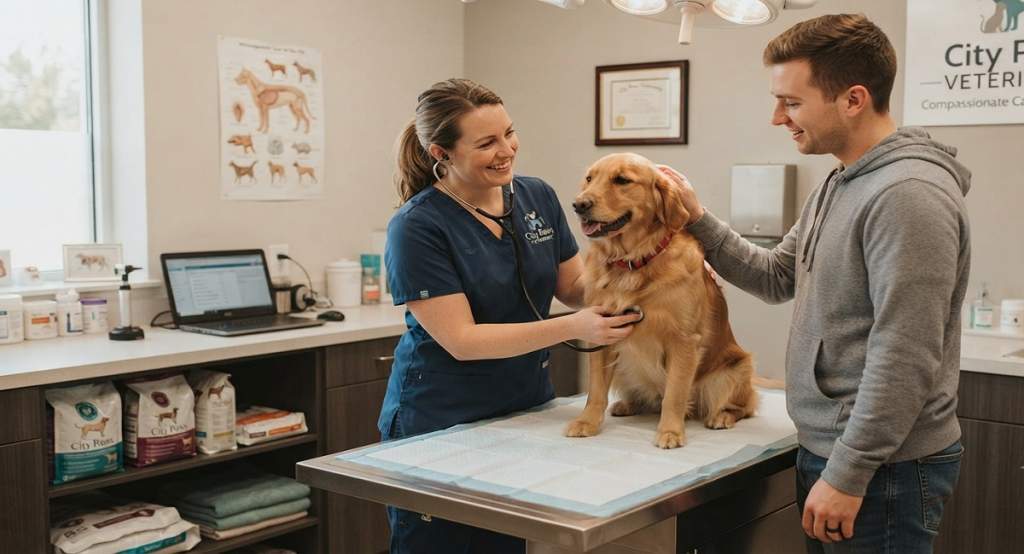
A routine veterinary physical exam relies on professional palpation, stethoscope auscultation, and diagnostic profiling to bypass this masking behavior, uncovering hidden discomfort before your pet suffers in silence.
2. Decoding the Veterinary Wellness Schedule by Life Stage
Just as human healthcare needs shift dramatically from infancy to old age, a pet’s medical requirements change at an accelerated pace. Because animals age roughly seven times faster than humans during their adult years, missing a single annual exam is equivalent to a human skipping the doctor for nearly a decade.
Puppies and Kittens (First Year of Life)
The first twelve months of an animal’s life are a whirlwind of rapid skeletal, immunological, and neurological development.
- Frequency of Visits: Every 3 to 4 weeks from 8 weeks old until roughly 16 to 20 weeks of age.
- Key Interventions: A series of core booster vaccinations (distemper, parvovirus, rabies), rigorous intestinal parasite checks and deworming protocols, microchipping, discussions on behavioral socialization, and scheduling future spay or neuter procedures.
Healthy Adult Pets (Ages 1 to 7 Years)
During their prime adult years, pets require consistency to maintain metabolic stability and catch lifestyle-related issues early, such as creeping weight gain or dental tartar accumulation.
- Frequency of Visits: Once every 12 months for a comprehensive physical wellness examination.
- Key Interventions: Annual core vaccine boosters (as dictated by local laws and lifestyle risk), continuous year-round parasite prevention for fleas, ticks, and heartworms, and a thorough oral health evaluation.
Senior and Geriatric Pets (Ages 7+ Years)
Depending on the breed and species, pets enter their senior golden years around age seven (much earlier for giant dog breeds like Great Danes, and slightly later for small cats and dogs). Aging brings a natural decline in organ reserve and cellular repair.
- Frequency of Visits: Every 6 months. Biannual visits are essential for older pets because physiological changes occur at an accelerated rate.
- Key Interventions: Comprehensive geriatric blood panels, routine urinalysis, blood pressure monitoring, and baseline digital X-rays to screen for arthritis, cardiac enlargement, or hidden soft-tissue abnormalities.
3. Inside the Exam Room: What Happens During a Wellness Visit?
A thorough veterinary wellness exam is a systematic, head-to-tail physical evaluation designed to assess every major physiological system in your pet’s body.
- Ocular and Otic Examination: Using specialized instruments like an ophthalmoscope and otoscope, the veterinarian inspects the retina, lens, and delicate ear canals for signs of infection, foreign debris, or early cataracts.
- Cardiopulmonary Auscultation: Listening meticulously to the heart and lungs through a stethoscope allows the vet to detect abnormal heart murmurs, irregular arrhythmias, or early pulmonary fluid accumulation.
- Abdominal Palpation: By gently pressing on the abdomen, the veterinarian evaluates the size, shape, and texture of internal organs including the liver, spleen, kidneys, and bladder, checking for enlargement or pain.
- Musculoskeletal and Neurological Assessment: Checking joint range of motion, muscle symmetry, spinal alignment, and neurological reflexes to ensure your pet is mobile and pain-free.
- Body Condition Scoring (BCS): Assessing your pet on a standardized scale from 1 to 9 to evaluate fat distribution, muscle mass, and optimal weight targets.
4. The Financial Power of Prevention
A common misconception among first-time pet owners is that skipping routine veterinary exams saves money. In reality, reactive emergency veterinary care is exponentially more expensive than routine preventive wellness.
Comparing Costs: Prevention vs. Crisis Management
- Preventive Care: Annual wellness exams, routine blood work, dental cleanings, and parasite preventatives represent a predictable, manageable line item in your household budget.
- Crisis Management: Waiting until a pet’s dental disease destroys their jawbone requires complex oral surgery, extractions, and expensive anesthesia. Waiting until a blocked cat or a diabetic dog crashes leads to multi-thousand-dollar emergency hospitalizations, overnight intensive care stays, and heartbreaking emotional stress.
Establishing a relationship with your veterinarian also ensures that when an unexpected illness or accident does occur, your vet has a historical medical baseline. Knowing what your pet’s blood work and physical baseline looked like six months ago makes diagnosing an acute illness infinitely faster and more accurate.
5. Building a Partnership With Your Veterinary Team
Your veterinarian should not be viewed as an intimidating authority figure you only visit under duress, but rather as an active, collaborative partner in your pet’s lifelong health journey.
To maximize the value of your routine veterinary visits, come prepared:
- Keep a running log of any minor behavioral shifts, changes in stool consistency, or unusual scratching habits you noticed at home.
- Bring records of the exact brand and formulation of food your pet eats daily.
- Do not hesitate to ask questions regarding behavioral enrichment, weight management, or breed-specific predispositions.
When you invest consistent time and resources into routine veterinary visits, you eliminate guesswork, relieve your pet of silent suffering, and secure years of vibrant health, shared adventures, and unconditional companionship.
Key Takeaway: Routine veterinary wellness exams are the ultimate expression of proactive pet care. By looking beneath the surface before symptoms appear, regular check-ups protect your pet’s longevity and safeguard your family against avoidable medical emergencies.
Related- Basic Pet Training: Simple Commands to Build Good Behavior