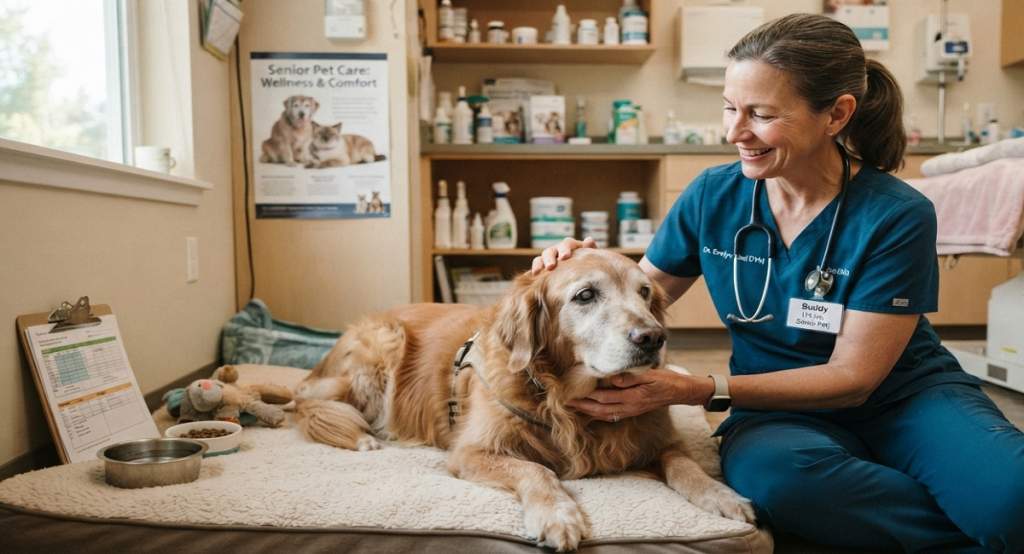
There is a profound, irreplaceable beauty in sharing your life with an aging animal. The frantic, boundless energy of puppyhood or kittenhood gradually softens into a deep, quiet companionship. Gray hairs begin to dust your dog’s muzzle, your cat’s steps become a little more deliberate, and your daily routines settle into an effortless, graceful rhythm built on years of mutual trust.
Yet, as the years accumulate, our beloved animal companions enter their senior and geriatric years. Because animals age significantly faster than humans, this transition often catches pet parents by surprise. A dog or cat you welcomed home “just a few years ago” suddenly reaches middle age and beyond, experiencing subtle physiological declines that require a profound shift in how we approach pet care.
Caring for a senior pet is an act of deep devotion. It demands patience, acute observation, environmental modifications, and proactive veterinary medicine.
You May Also Like

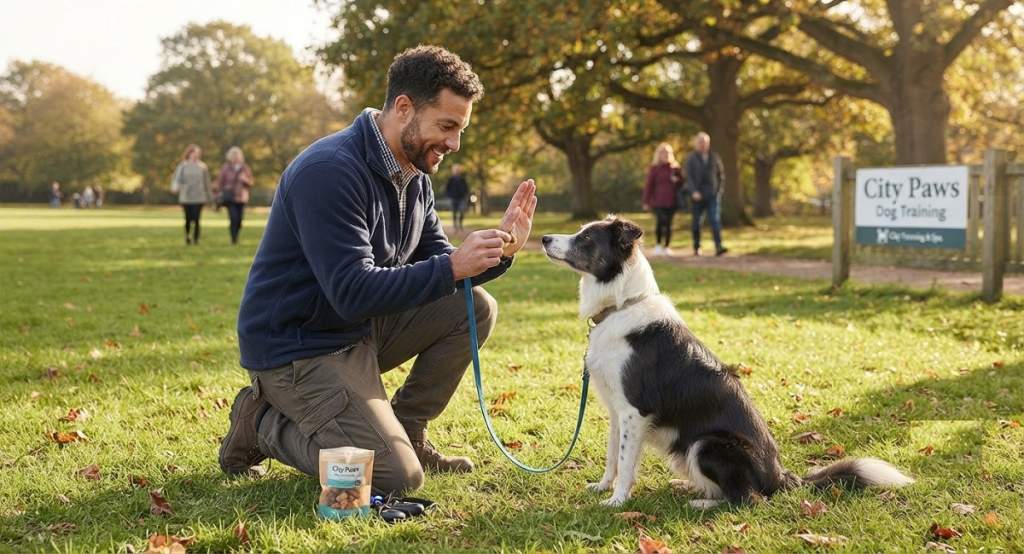
In this comprehensive guide, we will explore when a pet officially becomes a senior, examine the common age-related health challenges they face, outline essential home modifications, detail tailored nutritional needs, and show you how to ensure your aging companion’s golden years are filled with comfort, dignity, and love.
1. When Does a Pet Become a Senior?
Age is not merely a number; it is a physiological sliding scale dictated primarily by species, size, and breed. Because larger dog breeds age much faster than smaller dogs or cats, the definition of “senior” varies widely:
- Small Dogs (under 20 lbs) and Cats: Generally enter senior status around 7 to 10 years of age.
- Medium to Large Dogs (21 to 50 lbs): Considered seniors around 6 to 8 years of age.
- Giant Breed Dogs (over 50 lbs, e.g., Great Danes, Mastiffs, Newfoundlands): Reach senior status prematurely around 5 to 6 years of age due to their immense physical burden.
Understanding these timelines is crucial because veterinary screening protocols must shift as soon as your pet crosses the senior threshold. Preventive care that was sufficient for a three-year-old adult no longer suffices for a nine-year-old senior.
2. Common Medical and Physiological Challenges in Aging Pets
As metabolic processes slow down, organ systems naturally lose reserve capacity. Recognizing the early warning signs of age-related diseases allows you to intervene before chronic discomfort diminishes your pet’s quality of life.
Osteoarthritis and Joint Degeneration
By far the most common ailment in senior pets is osteoarthritis—the progressive wear and tear of cartilage cushioning the joints.
- Warning Signs: Stiffness when rising from a nap, reluctance to climb stairs, hesitation before jumping onto the couch or into the car, muscle atrophy in the hind legs, and a shorter, more cautious stride.
- Management: Managing arthritis requires a multifaceted approach: veterinary-prescribed pain management (such as NSAIDs specifically formulated for animals), joint supplements containing glucosamine and chondroitin, omega-3 fatty acids, weight management, and physical rehabilitation therapies like hydrotherapy.
Canine Cognitive Dysfunction (CCD) and Feline Dementia
Aging brains undergo neurodegenerative changes similar to human Alzheimer’s disease. Canine Cognitive Dysfunction and feline dementia profoundly alter behavior and spatial awareness.
- Warning Signs: Pacing aimlessly, staring blankly at walls or corners, getting “stuck” behind doors or furniture, howling or crying out at night, uncharacteristic house-soiling, and altered sleep-wake cycles (sleeping all day and pacing restlessly all night).
- Management: Environmental consistency, specialized diets rich in antioxidants and medium-chain triglycerides (MCTs), puzzle toys to stimulate mental activity, and prescription medications to manage anxiety and cognitive decline.
Sensory Decline: Vision and Hearing Loss
Cataracts, nuclear sclerosis (a normal bluish hazing of the lens), and nerve degeneration frequently lead to failing eyesight or total deafness in older animals.
- Warning Signs: Bumping into furniture, hesitation in dim lighting, startling easily when approached from behind, or unresponsiveness to verbal commands.
- Management: Animals rely heavily on their whiskers and sense of smell to navigate. Never rearrange your furniture once your pet begins losing their sight, use scented markers (like a dab of vanilla extract on doorframes), and train them using hand signals or floor vibrations.
Chronic Organ Declines (Kidney, Liver, and Heart)
Geriatric pets frequently experience progressive chronic kidney disease (CKD), liver impairment, or heart valve disease (mitral valve disease in dogs).
- Warning Signs: Increased water consumption paired with massive urine output, unexplained weight loss, bad breath, chronic lethargy, coughing (especially at night or after mild exertion), and a distended abdomen.
- Management: Biannual geriatric blood panels and urinalysis are your single best defense, catching organ strain months before external symptoms manifest.
3. Adapting Your Home: Comfort Modifications for Senior Pets
Just as elderly humans benefit from stairlifts, walk-in showers, and grab bars, your senior pet’s environment should be thoughtfully modified to accommodate their stiff joints and failing senses.
- Orthopedic Memory Foam Beds: Ditch thin, flat pet beds immediately. Invest in high-density orthopedic memory foam beds that distribute your pet’s body weight evenly, relieve pressure points on aching hips and elbows, and make getting up in the morning much less painful.
- Strategic Ramps and Steps: If your senior dog loves sleeping on your bed or riding in the car, install carpeted ramps or sturdy, shallow steps to eliminate the jarring impact of jumping up and down.
- Non-Slip Flooring: Hardwood, tile, and laminate floors become treacherous ice rinks for arthritic paws. Lay down non-slip runner rugs, yoga mats, or interlocking foam tiles along your pet’s primary indoor walking pathways to provide secure traction.
- Elevated Food and Water Bowls: Raising food and water bowls to chest height reduces the painful strain on an aging dog’s neck, shoulders, and wrists while eating.
- Litter Box Modifications for Cats: If your senior cat has arthritis, stepping over a high plastic litter box wall can become agonizing. Switch to a shallow-rimmed litter box or cut a low, accessible doorway into the side of a standard high-walled box. Also, place litter boxes on every level of your home so your cat never has to navigate stairs during an emergency.
4. Tailoring Nutrition for the Golden Years
An aging animal’s nutritional requirements shift dramatically. Their metabolism slows by roughly 20% to 30%, meaning senior pets require fewer calories to maintain an ideal weight. However, their need for high-quality, easily digestible protein actually increases to prevent age-related muscle wasting (sarcopenia).
- Caloric Control: Obesity is the silent enemy of the senior pet, compounding joint pain and accelerating metabolic disease. Measure meals precisely using a kitchen scale rather than free-feeding.
- Enhanced Protein and Palatability: Senior formulas should feature premium, highly bioavailable animal proteins that support lean muscle mass without overworking aging kidneys. Because senior pets often experience a dulling of their senses of smell and taste, senior food is frequently more aromatic and palatable to encourage eating.
- Targeted Supplements: Look for diets or supplements fortified with Omega-3 fatty acids (EPA and DHA) for joint and brain health, prebiotics and probiotics for sluggish digestion, and antioxidants to support cellular immunity.
5. Veterinary Care: Shifting to Biannual Geriatric Exams
For a young adult dog or cat, a yearly veterinary check-up is sufficient. For a senior pet, annual exams are no longer enough.
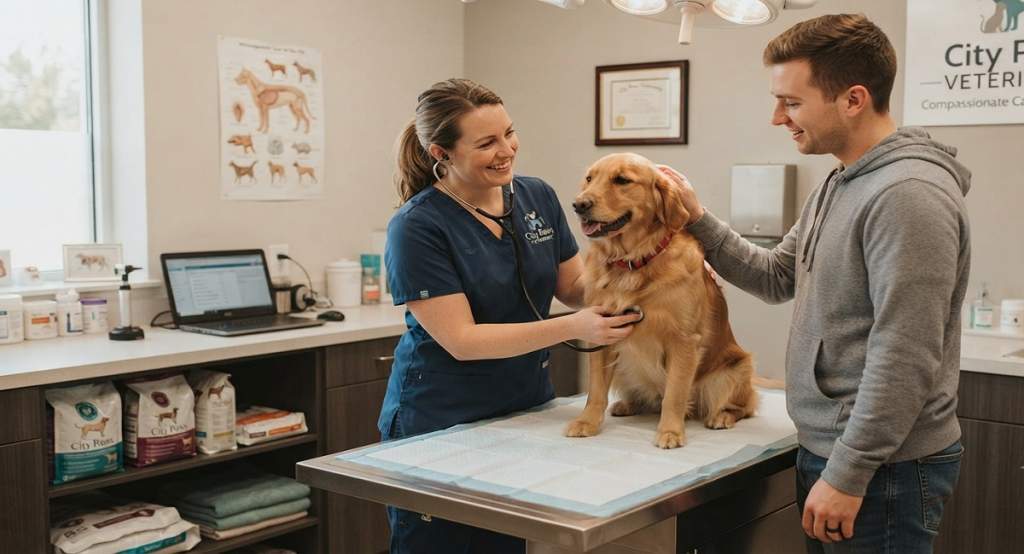
Physiological changes occur at an accelerated rate in older animals. A lot can change in twelve months; waiting a full year to catch a developing health issue can mean the difference between a simple medical management plan and an irreversible crisis.
- Biannual Wellness Visits: Bring your senior pet to the veterinarian every six months.
- Comprehensive Geriatric Screenings: At these visits, insist on running comprehensive senior wellness panels—including complete blood counts (CBC), serum chemistry profiles to check kidney and liver function, thyroid panels, urinalysis to screen for protein loss or urinary tract infections, and blood pressure measurements.
- Pain Management Consultations: Have a candid conversation with your veterinarian about pain assessment. Many owners mistakenly believe that slowing down, sleeping more, and groaning when getting up are “just normal signs of old age.” In reality, these are signs of untreated chronic pain. Modern veterinary medicine offers incredible therapeutics, monoclonal antibody therapies (like Librela for dogs or Solensia for cats), and advanced pain management protocols that can give an aging pet a new lease on life.
6. Preserving Quality of Life and Managing Dignity
As pet parents caring for an aging companion, we inevitably face difficult emotional questions regarding quality of life, palliative care, and end-of-life decisions.
Evaluating your pet’s daily quality of life requires looking past your own fear of loss and focusing entirely on their lived experience. Veterinarians often recommend using a simple Quality of Life Scale (such as the HHHHHMM Scale developed by Dr. Alice Villalobos), evaluating seven key parameters on a 1-to-10 scale:
- Hurt (Is pain successfully managed? Can they breathe easily?)
- Hunger (Are they eating enough? Do they need assistance?)
- Hydration (Are they adequately hydrated?)
- Hygiene (Can they stay clean? Are they soiling themselves?)
- Happiness (Do they express joy, interact with family, and show interest?)
- Activity (Can they move around? Do they have more good days than bad days?)
- More good days than bad days.
Surrounding your senior pet with unwavering patience, making their environment gentle and accessible, managing their pain aggressively, and listening closely to your veterinarian allows you to provide a peaceful, dignified chapter that honors the incredible life you shared together.
Key Takeaway: Senior pet care is a profound privilege. By modifying your home, adjusting their nutrition, stepping up veterinary screenings to every six months, and aggressively managing pain, you can ensure your aging companion spends their golden years in comfort, dignity, and deep security.
Related- Seasonal Pet Care: Keeping Your Animals Safe Year-Round