
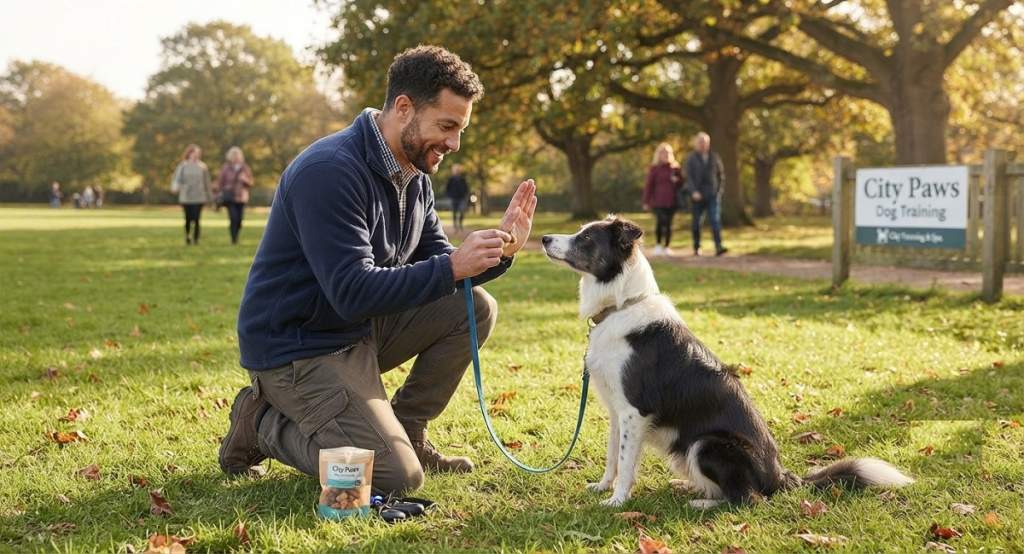
Bringing a new pet into your home is an exciting milestone, but without proper guidance, that enthusiasm can quickly turn into chaos. Unchecked jumping, destructive chewing, leash-pulling, and house-training accidents are common hurdles that test the patience of even the most dedicated pet parents.
Many first-time owners make the mistake of viewing training as a rigid, punitive boot camp. In reality, effective pet training is a dynamic, ongoing communication system between you and your animal companion. It builds mutual respect, establishes vital safety boundaries, and creates a confident, well-adjusted pet that can accompany you anywhere.
In this comprehensive guide, we will break down the psychology of animal learning, explore foundational training principles, outline the essential commands every pet needs to master, and share troubleshooting tips to overcome common behavioral roadblocks.
You May Also Like


1. The Core Psychology of Pet Training
Before teaching your pet specific commands, you must understand how animals process information and learn new behaviors. Unlike humans, animals do not connect long-term moral concepts like “good” or “bad.” Instead, they operate on immediate cause and effect.
The Power of Positive Reinforcement
Modern animal behavioral science overwhelmingly supports positive reinforcement training. This method relies on rewarding desired behaviors immediately (within 1 to 2 seconds) so your pet associates that specific action with a pleasant outcome—such as a delicious treat, enthusiastic praise, or a favorite toy.
- Timing is Everything: If your dog sits, but you wait five seconds to give them a treat after they have stood back up, they will mistakenly think you are rewarding them for standing. Precision timing reinforces the exact correct behavior.
- Avoid Harsh Punishments: Striking, yelling at, or intimidating a pet does not teach them what to do; it only teaches them to fear you. Fear-based training frequently leads to defensive aggression, severe anxiety, and a shattered human-animal bond.
Consistency and Short Sessions
Animals have relatively short attention spans during active learning.
- Keep Sessions Brief: Aim for 5-to-10-minute training sessions two or three times a day. Short, high-energy, positive sessions yield much better retention than one exhausting hour-long battle of wills.
- Consistency Across the Household: Every human living in your home must use the exact same verbal cues and hand signals. If one person says “Down” to mean “get off the couch” while another uses “Down” to mean “lie flat on the floor,” your pet will become hopelessly confused.
2. Essential Equipment for Effective Training
You do not need an arsenal of expensive gadgets to train your pet, but a few simple tools will make the process infinitely smoother:
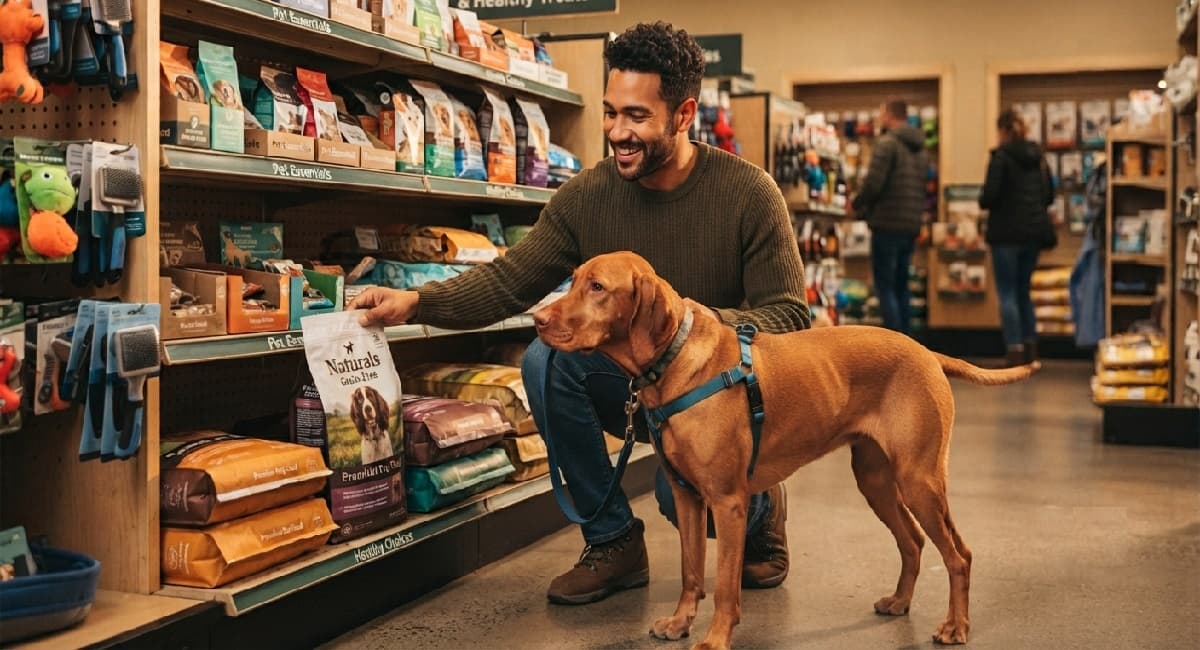
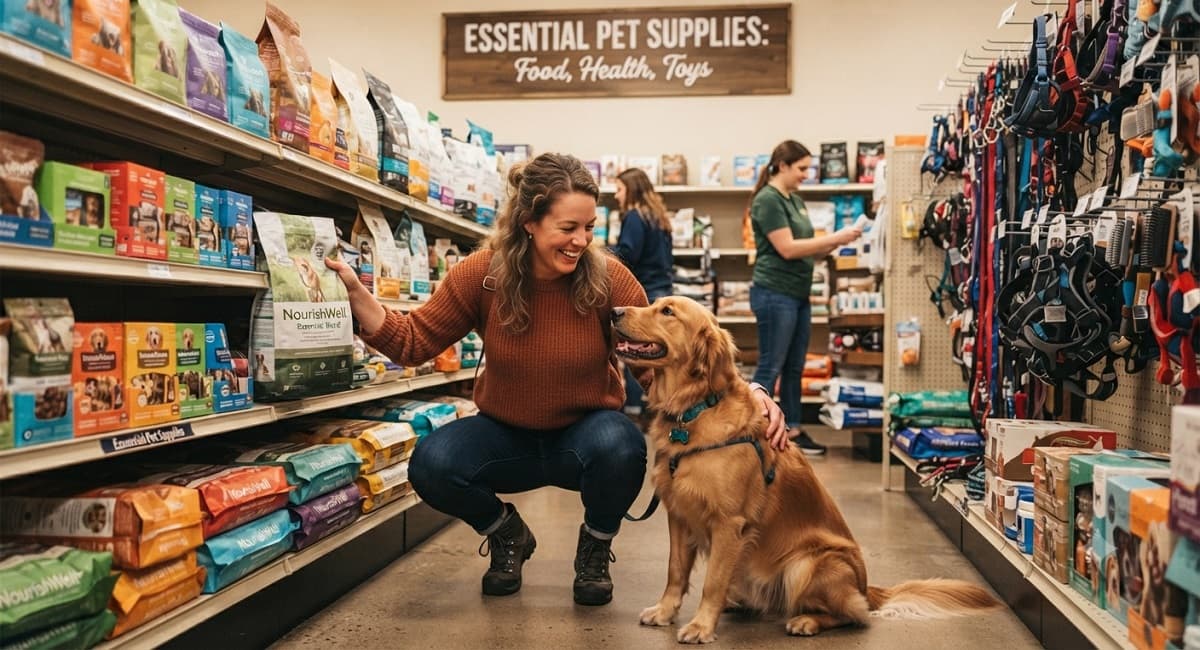
- High-Value Treats: Ordinary kibble rarely cuts it when competing against outdoor distractions. Use tiny, pea-sized morsels of soft, aromatic treats (like cooked chicken, cheese cubes, or specialized training treats) that your pet can swallow instantly without interrupting the flow.
- A Standard 6-Foot Leash: Essential for indoor and outdoor impulse control, keeping your pet focused and within safe boundaries during practice.
- A Clicker (Optional): A mechanical clicker creates a distinct, sharp sound that marks the exact microsecond your pet performs the correct action, bridging the gap between the behavior and the delivery of the treat.
3. The 5 Foundational Commands Every Pet Must Learn
Once you establish a rhythm of positive communication, you can begin teaching the core commands that form the bedrock of domestic safety and good manners.
1. The “Sit” Command
The “sit” command is the easiest exercise to start with because it is a natural posture for dogs and cats. It serves as an exercise in impulse control, teaching your pet that good things come to those who wait rather than those who jump and claw.
How to Teach It:
- Hold a high-value treat right in front of your pet’s nose.
- Slowly move the treat upward and backward over their head toward their ears.
- As their head tilts up to follow the treat, their natural anatomical response will be to lower their hindquarters into a sit.
- The absolute second their bottom hits the floor, say “Sit,” click (or praise), and give them the treat.
Real-World Application: Require your pet to sit before you put down their food bowl, before you open the front door for a walk, or when greeting excited guests.
2. The “Stay” Command
“Stay” is a crucial safety command that prevents your pet from darting out open doors, bolting across busy streets, or jumping on strangers. It requires patience and must be taught in tiny increments.
How to Teach It:
- Ask your pet to “Sit” or “Down.”
- Open the palm of your hand facing them and say “Stay” in a calm, firm voice.
- Take just one step backward. If they hold their position even for a single second, step back to them, praise enthusiastically, and reward them.
- Gradually build up duration (waiting 5 seconds, then 10 seconds) before adding distance (stepping two feet away, then across the room).
The Golden Rule: Always return to your pet to deliver the reward during early training rather than calling them to you, which encourages them to break the stay early.
3. The “Come” (Recall) Command
A reliable recall can literally save your pet’s life if they ever slip out of a gate or lose their leash.
How to Teach It:
- Start in a low-distraction indoor environment. Crouch down low, open your arms, and say your pet’s name followed by an enthusiastic “Come!” in a high-pitched, welcoming tone.
- When they run toward you, reward them with a jackpot of multiple treats and heavy praise. Make coming to you the most exciting thing that happens all day.
- Never call your pet to you for something unpleasant (like giving medication or a bath) during the early stages of training, or they will learn that coming to you results in punishment.
4. The “Leave It” Command
Pets are naturally curious scavengers, and your home contains plenty of items they shouldn’t touch—from dropped food scraps on the floor to toxic chemicals or sharp objects.
How to Teach It:
- Hold a treat in a closed fist and present your fist to your pet. They will sniff, lick, or paw at your hand to get it. Completely ignore these attempts.
- The exact moment they back away, stop trying, or turn their head away from your hand, say “Yes!”, and immediately reward them with a different, even better treat from your other hand (never the one they were sniffing).
- Gradually progress to placing the treat openly on the floor, covering it with your hand if they lunge for it, and rewarding them when they choose to look away.
5. The “Drop It” Command
If your pet manages to pick up something dangerous in their mouth, trying to pry their jaws open forcefully can trigger resource guarding or cause them to swallow the item faster. A reliable “Drop it” command is much safer.
How to Teach It:
- While your dog is happily chewing on a safe, low-value toy, approach them and offer an exceptionally high-value treat right near their nose.
- To eat the new treat, they will naturally drop the toy. The moment the toy leaves their mouth, say “Drop it,” give them the treat, and then return their toy to them so they learn that dropping an item doesn’t always mean losing it forever.
4. Troubleshooting Common Behavioral Roadblocks
Even with consistent training, you will occasionally run into behavioral roadblocks. Here is how to handle the most frequent issues:
- Jumping Up on People: Dogs jump because they want to reach your face to say hello. The instant your pet jumps up, turn your back completely, cross your arms, and become entirely uninteresting. Do not push them away or yell (as they view negative attention as a reward). Once all four paws touch the floor, calmly turn around and reward them with gentle affection.
- Leash Pulling: If your dog treats walks like a sled-dog race, stop walking immediately. Become a tree. Do not take another step forward until the tension in the leash slackens. Your dog will quickly learn that pulling achieves the exact opposite of their goal: it stops forward momentum entirely.
- Inconsistent Potty Training: Accidents happen, especially with young animals. Never rub your pet’s nose in an accident or punish them after the fact; they cannot connect the punishment to an act committed ten minutes ago. Instead, take them outside frequently (every 1 to 2 hours for puppies), praise them lavishly when they eliminate outdoors, and use enzyme-based cleaners indoors to completely eliminate lingering pheromone scents.
Key Takeaway: Training is not a destination with a final finish line; it is a lifelong language built on consistency, patience, and positive reinforcement. By investing a few minutes every day into clear communication, you cultivate a well-mannered companion who brings joy and peace to your household.
Related- Daily Pet Grooming Tips for a Healthy and Happy Coat