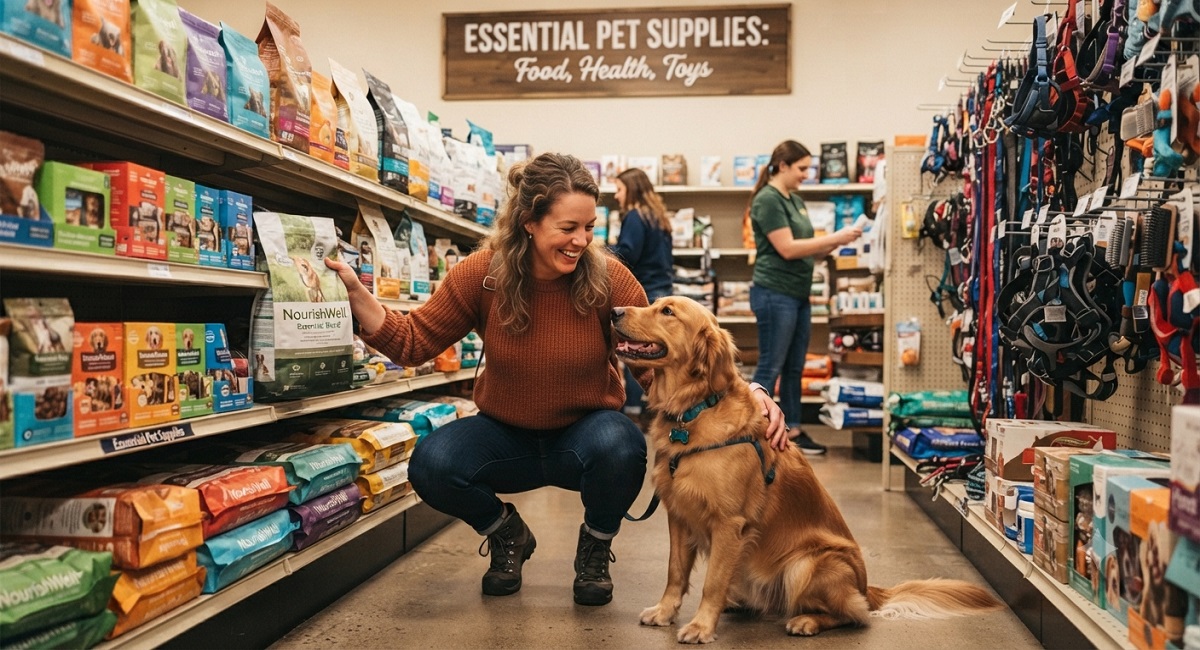

As pet parents, we joyfully watch our animal companions experience the changing seasons. From the giddy excitement of a puppy bounding through fresh spring grass and a dog splashing in a summer lake, to the sensory wonder of crunching autumn leaves and the cozy magic of a cat napping by a winter radiator, the changing year brings endless beauty.
However, each distinct season also brings its own unique set of hidden hazards, environmental challenges, and health risks. Weather fluctuations, shifting temperatures, holiday decorations, seasonal parasites, and outdoor toxins can turn a pleasant outing into an emergency if you are unprepared.
Because our pets rely entirely on us to moderate their environment, proactive seasonal awareness is a fundamental pillar of responsible pet care.
You May Also Like




In this comprehensive, in-depth guide, we will walk through the four seasons Spring, Summer, Autumn, and Winter breaking down the specific threats, environmental adjustments, and care strategies required to keep your pets safe, comfortable, and thriving 365 days a year.
1. Spring Awakening: Renewal, Parasites, and Toxicity
Springtime brings longer days, blooming flowers, and the irresistible urge to spend more time outdoors. Yet beneath the pleasant weather and green grass lie several common spring hazards that every pet owner must navigate.
The Spring Cleaning Chemical Threat
As we fling open the windows to scour our homes after winter, we pull out heavy-duty cleaning supplies, disinfectants, bleaches, and floor washes. Many common household cleaners contain toxic chemicals, phenols, and artificial fragrances that can cause severe chemical burns on a pet’s paws or lead to poisoning if they lick residue off the floor.
- The Solution: Always switch to pet-safe, non-toxic, or biodegradable cleaning products. Ensure floors and surfaces are completely dry before allowing your pets back into cleaned rooms, and store all chemicals securely in high cabinets.
Garden Poisons and Toxic Spring Flora
Gardening is a quintessential spring activity, but many popular spring flowers and landscaping plants are intensely toxic and in some cases, fatally poisonous to dogs and cats.
- Lilies (The Feline Death Trap): True lilies (such as Easter lilies, Tiger lilies, Stargazer lilies, and Day lilies) are so profoundly toxic to cats that even the smallest ingestion of pollen, leaf fragments, or water from the vase can cause acute, irreversible kidney failure within 36 to 72 hours. Keep all lilies entirely out of homes with cats.
- Bulbs and Common Flowers: Tulips, hyacinths, daffodils, crocuses, and azaleas contain glycosides and alkaloids that cause intense vomiting, diarrhea, cardiac arrhythmias, and central nervous system depression if dug up and chewed by curious dogs.
- Fertilizers, Mulch, and Pesticides: Cocoa bean mulch contains theobromine (the same toxic compound found in chocolate) and smells irresistible to dogs. Chemical lawn fertilizers, weed killers, and snail baits can cause severe internal poisoning. Opt for organic, pet-safe fertilizers and keep dogs off treated lawns until completely dry.
The Return of Spring Parasites
As temperatures climb above freezing, dormant fleas, ticks, and mosquitoes awaken with a vengeance. Spring is the peak season for vector-borne diseases like Lyme disease and tick fever.
- The Solution: Maintain continuous, year-round vet-prescribed parasite preventatives without lapses, and perform a thorough head-to-tail tick check after every walk through tall grass or wooded trails.
2. Summer Heat: Beating the Burn and Preventing Heatstroke
Summer brings sunshine, beach trips, and outdoor adventures, but soaring temperatures and blazing humidity introduce severe medical risks that can turn tragic in a matter of minutes.
Understanding Canine and Feline Thermoregulation
Unlike humans, who possess millions of sweat glands spread across their entire skin surface to cool down via evaporation, dogs and cats cool themselves primarily through panting and sweating minimally through the pads of their paws. This makes them exceptionally vulnerable to rapid overheating.
The Nightmare of Hot Asphalt
Before taking your dog out for a mid-day summer walk, perform the Seven-Second Palm Test. Press the back of your bare hand firmly against the pavement and hold it there for seven seconds. If it is too hot for your hand, it will instantly blister, burn, and tear the delicate skin on your dog’s paw pads. Walk your dogs only during the cool hours of early morning or late evening, and stick to grassy shaded paths.
Preventing Heatstroke (Hyperthermia)
Heatstroke is a life-threatening emergency where a pet’s internal body temperature spikes past 105°F (40.5°C), leading to multi-organ failure, neurological damage, and death.
- Warning Signs: Heavy, frantic panting, thick sticky saliva, bright red or pale gums, weakness, staggering, vomiting, and collapse.
- Hot Car Danger: Never leave a pet unattended in a parked car, even for two minutes with the windows cracked. On a modest 85°F (29°C) day, the internal temperature of a parked car can skyrocket to 102°F (39°C) within ten minutes, turning the vehicle into a lethal oven.
- Hydration and Shade: Always provide unlimited access to cool, fresh water and shaded resting spots outdoors. Brachycephalic breeds (flat-faced dogs like Pugs, Bulldogs, and Boxers) and senior pets are at extreme risk and require air-conditioned indoor environments during peak heat waves.
Water Safety and Blue-Green Algae
Swimming is a fantastic way for dogs to exercise in summer, but keep safety in mind. Not all dogs are natural swimmers, and pool water treated with heavy chlorine can irritate their eyes and skin. Furthermore, stagnant summer lakes and ponds can breed toxic blue-green algae, which can cause fatal neurological and liver failure within minutes of ingestion or skin contact. Always rinse your dog with clean fresh water after a swim.
3. Autumn Crispness: Harvest Hazards and Cozy Comforts
Autumn is celebrated for its breathtaking foliage, crisp weather, and comforting holiday celebrations. However, the shift into fall brings specific environmental risks, seasonal food hazards, and the onset of cold-weather preparation.
Halloween and Thanksgiving Food Dangers
Autumn ushers in a marathon of festive family holidays, which unfortunately coincides with a massive spike in emergency veterinary visits due to dietary indiscretion and toxin ingestion.
- Halloween Candy: Chocolate (especially dark chocolate and baking cocoa) contains toxic theobromine. Sugar-free candies often contain Xylitol, an artificial sweetener that triggers a catastrophic, life-threatening drop in blood sugar and acute liver failure in dogs. Keep trick-or-treating candy bowls securely locked away.
- Thanksgiving Feasts: While sharing a bite of turkey sounds loving, rich holiday foods pose severe health risks. Cooked turkey bones splinter easily and puncture internal organs; rich gravies, butter, and fat trimmings trigger acute, excruciating pancreatitis (inflammation of the pancreas); and onions, garlic, sage, and nutmeg used in traditional stuffings are toxic to pets.
Autumn Garden Clean-Up and Rodenticides
As gardeners clear out flower beds and prepare for winter, dangerous items are often left exposed:
- Compost Piles: Decomposing organic food scraps and fallen leaves in compost heaps develop mold toxins (mycotoxins) that cause severe tremors, seizures, and neurological distress if ingested by foraging dogs.
- Rodent Poisons (Mice and Rat Bait): As field mice and rats seek shelter indoors from the dropping autumn temperatures, homeowners often deploy rodenticides. These poisons are extraordinarily toxic to pets, causing internal hemorrhaging or kidney failure. Avoid using toxic baits, or ensure they are strictly inaccessible to dogs and cats.
4. Winter Chills: Frostbite, Freezing Temperatures, and Antifreeze
Winter’s freezing temperatures, snow, and ice require active management to ensure your pets remain safe and cozy, whether they live indoors or spend time braving the elements.
The Myth of the Fur Coat
A common misconception is that because dogs and cats have fur, they are naturally immune to freezing weather. While double-coated northern breeds (like Huskies and Malamutes) tolerate cold well, short-haired breeds (like Chihuahuas, Greyhounds, and Pit Bulls), senior pets, puppies, and thin-skinned cats are highly susceptible to hypothermia and frostbite on their ears, tails, and paw pads.
- Winter Walk Adjustments: Shorten outdoor walks during sub-zero days. Invest in properly fitted dog sweaters or coats, and consider protective booties to shield their paws from freezing snow and ice.
The Lethal Danger of Antifreeze
Winter brings the widespread use of automotive antifreeze (ethylene glycol). Antifreeze has a sweet, alluring taste that pets find irresistible. Just a single teaspoon of antifreeze can cause fatal acute kidney failure in a cat or dog.
- Prevention: Immediately clean up any garage spills, store automotive fluids in securely sealed containers on high shelves, and consider switching to propylene glycol-based safer alternatives.
Ice Melts and Salt Burns
Municipal sidewalk salts and chemical ice-melting pellets used during winter storms are abrasive and toxic. When your pet walks on treated pavements, the harsh salts lodge between their paw pads, causing painful chemical burns, cracking, and systemic poisoning when they groom their paws afterward.
- The Solution: Always wipe your pet’s paws thoroughly with a warm, damp washcloth immediately after returning from a winter walk. Applying pet-safe paw balms or waxes before heading outside creates a protective barrier against ice and salt.
Seeking Shelter: Outdoor and Feral Cats
If you care for outdoor cats or community feral cat colonies, winter can be perilous. Cats will frequently crawl underneath the warm hoods of recently parked cars to seek shelter near the engine block, leading to catastrophic injuries when the vehicle is started. Always bang loudly on your car’s hood or honk the horn before starting your engine on freezing winter mornings. Furthermore, provide insulated, straw-filled outdoor shelters (avoiding blankets, which absorb moisture and freeze) to keep outdoor animals safe from freezing winds.
5. Year-Round Emergency Preparedness
While seasonal hazards change with the calendar, every pet owner should maintain a foundational emergency readiness protocol:
- Keep Emergency Numbers Handy: Program your veterinarian’s direct phone number, the nearest 24/7 emergency animal hospital address, and the ASPCA Animal Poison Control Center hotline directly into your smartphone contacts.
- Maintain a Pet First-Aid Kit: Stock bandages, antiseptic wipes, a digital thermometer, tweezers, a muzzle, and a manual of emergency instructions.
- Microchip and ID Tags: Ensure your pet’s microchip contact information is current. Pets frequently bolt out of doors or panic during sudden summer thunderstorms or loud autumn fireworks displays.
Key Takeaway: Seasons change, but your vigilance remains your pet’s greatest safeguard. By anticipating the unique environmental hazards of spring, summer, autumn, and winter, you ensure your animal companion enjoys every month of the year safely, comfortably, and joyfully by your side.
Related- Mental Stimulation and Play: Keeping Your Pet Active and Boredom-Free