
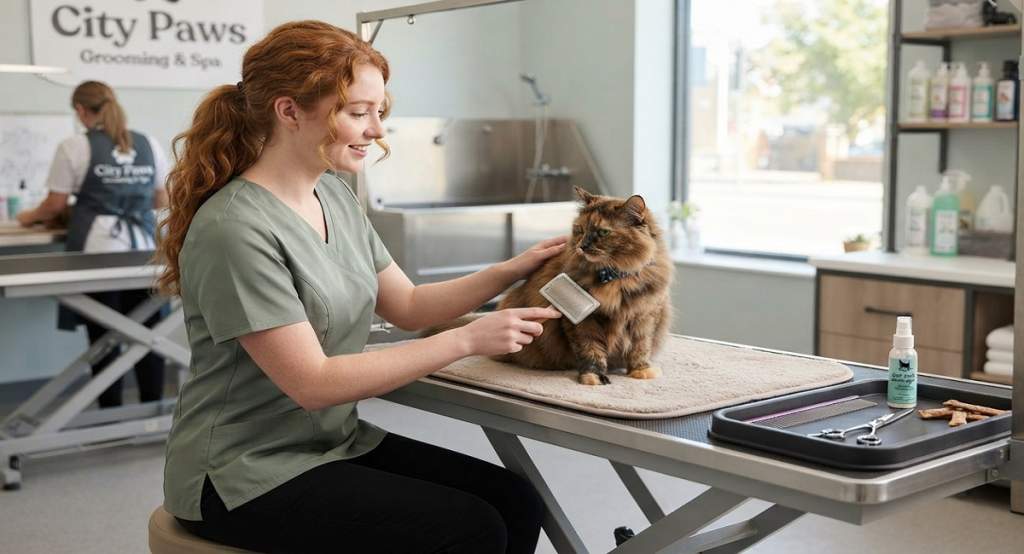
When most people think of pet grooming, they picture a pampered poodle with a flashy haircut or a cat looking sleek after a spa day. While aesthetics certainly play a role, grooming goes far deeper than surface-level beauty. Regular grooming is a vital pillar of comprehensive pet care that directly impacts your animal companion’s physical health, emotional comfort, and longevity.
Whether you share your home with a short-haired domestic cat, a fluffy golden retriever, or a wire-haired terrier, implementing a consistent grooming routine is essential. Not only does it keep their skin and coat in pristine condition, but it also provides a wonderful bonding experience and allows you to catch early warning signs of illness, parasites, or skin infections.
In this comprehensive guide, we will explore the science of pet coats, outline daily and weekly grooming maintenance steps, detail the tools you need, and share professional tips to make grooming a stress-free experience for both you and your pet.
You May Also Like


1. Why Regular Pet Grooming Matters More Than You Think
Pet Grooming is often treated as an optional chore, but neglecting it can lead to serious health complications. Understanding the “why” behind grooming can completely transform how you approach your pet care routine.
Skin and Coat Health
Your pet’s coat acts as a natural shield against the elements, regulating body temperature and protecting sensitive skin. Regular brushing distributes your pet’s natural oils (sebum) evenly across the skin and hair shaft, which adds a healthy shine, prevents dry flaking, and acts as a waterproof barrier. Furthermore, brushing removes trapped dirt, dander, and environmental allergens before they can irritate the skin.
Painful Matting and Tangles
For long-haired or double-coated breeds, loose fur quickly gets trapped in the undercoat. If left unbrushed, this fur tangles and twists into dense mats. Mats pull tightly on the skin, causing constant discomfort, restricting movement, and cutting off circulation. Severe matting can even hide dangerous skin infections, hot spots, and embedded ticks that go unnoticed until they become medical emergencies.
Early Detection of Health Issues
Pet Grooming is your best opportunity to conduct a hands on physical exam. Because your hands are directly touching your pet’s skin beneath the fur, you can feel things you might otherwise miss. Regular grooming sessions allow you to spot:
- Unusual lumps, bumps, or fatty tumors.
- Tiny black specks or crawling bugs indicating a flea infestation.
- Red, inflamed patches, scabs, or allergic hot spots.
- Tenderness or swelling around joints that may signal arthritis.
2. Choosing the Right Tools for Your Pet’s Coat Type
Not all coats are created equal, and using the wrong brush can either pull painfully on your pet’s skin or fail to reach the undercoat entirely. Before starting your routine, invest in the correct tools tailored to your pet’s specific hair structure.
Short-Coated Breeds (e.g., Beagles, Boxers, Dobermans, Short-Haired Cats)
- Rubber Grooming Mitts or Curry Brushes: These flexible rubber tools act like magnets for loose, dead hair on short coats while providing a soothing, massaging sensation that stimulates blood flow.
- Bristle Brushes: Natural or synthetic bristle brushes are great for sweeping away surface dust and distributing natural oils for a high-gloss finish.
Long-Coated and Double-Coated Breeds (e.g., Golden Retrievers, German Shepherds, Huskies, Maine Coon Cats)
- Slicker Brushes: Featuring fine, short wire pins set close together, slicker brushes are exceptional at penetrating thick topcoats to remove loose fur and small tangles.
- Undercoat Rakes: Designed with rounded pins that slide beneath the topcoat, rakes safely pull out dense dead undercoat fur during seasonal shedding spikes, preventing the formation of deep mats.
- Steel Greyhound Combs: A combination comb with wide and fine teeth used to check your work after brushing and gently tease out stubborn tangles behind ears and under legs.
Curly and Non-Shedding Coats (e.g., Poodles, Shih Tzus, Malteses, Bichon Frises)
- Pin Brushes and Slicker Brushes: Used to lift curls and separate hairs so mats don’t form near the skin.
- Mat Splitters or Dematting Combs: Specialized tools with recessed blades that safely slice through severe mats without pulling the sensitive skin underneath.
3. Developing a Daily and Weekly Maintenance Schedule
Consistency is the secret to a manageable grooming routine. Trying to tackle a matted, neglected coat all at once is exhausting for you and traumatic for your pet. Instead, break your routine down into manageable daily and weekly habits.
Daily Habits (5 to 10 Minutes)
- Face and Eye Check: Gently wipe away sleep crust or tear stains using a damp, warm washcloth or pet-safe eye wipes, especially for flat-faced breeds like Pugs or Persians.
- Quick Once-Over Brushing: Spend just a few minutes running a quick brush through high-friction areas (such as behind the ears, under the collar, and around the tail base) where tangles form fastest.
- Paw Inspection: Check your dog’s paws after outdoor walks for trapped burrs, cracked paw pads, mud, or chemical residues from treated lawns.
Weekly Habits (15 to 30 Minutes)
- Thorough Coat Brushing: Dedicate a distraction-free block of time for a deep grooming session using the appropriate slicker brush or undercoat rake.
- Nail Maintenance: Check your pet’s nails weekly. If you hear their nails clicking loudly on hardwood floors, it is time for a trim. Only clip the clear tip, stopping well before the “quick” (the pink blood vessel inside the nail).
- Dental Hygiene Check: Lift their lips and inspect their gums. Healthy gums should be a bubblegum pink color without severe redness, swelling, or heavy tartar buildup.
4. The Art of Bathing: Frequency, Technique, and Products
Many pet owners over-bathe their animals, stripping away natural skin oils and causing dry, itchy skin. Conversely, under-bathing can lead to heavy odor and bacterial buildup.
How Often Should You Bathe Your Pet?
- Dogs: Generally, most dogs only require a bath every 4 to 6 weeks, unless they roll in something muddy or smelly. Active outdoor dogs may need more frequent rinses, while dogs with skin conditions may require medicated baths prescribed by a veterinarian.
- Cats: Cats are meticulous self-cleaners and rarely need formal water baths. Unless your cat gets into a toxic substance or cannot groom due to advanced age or obesity, leave water baths off the table to avoid severe stress.
Step-by-Step Bathing Best Practices
- Brush Before the Bathing Begins: Always brush your pet thoroughly before getting them wet. Water tightens existing loose mats, making them nearly impossible to remove afterward.
- Water Temperature Matters: Use lukewarm water. Water that is too hot can burn their sensitive skin or cause overheating, while cold water will make the experience miserable.
- Use Species-Appropriate Shampoo: Never use human shampoo, dish soap, or baby shampoo. Human skin has a different pH level than animal skin. Use a mild, pH-balanced pet shampoo formulated for your pet’s specific skin type.
- Protect Sensitive Areas: Avoid getting water and soap directly inside your pet’s eyes and ears. Placing cotton balls gently inside the ear canals can prevent water-borne ear infections.
- Rinse Completely: Leftover soap residue attracts dirt and causes severe itching. Rinse your pet twice as long as you think is necessary until the water runs completely clear.
5. Turning Pet Grooming Into a Positive Bonding Experience
For many pets, grooming can induce anxiety due to past negative associations, unfamiliar tools, or sensitive spots. Your goal is to transform grooming from a stressful battle into a calm, comforting ritual.
- Start Young and Go Slow: If you have a puppy or kitten, handle their paws, ears, and mouth gently every day while they are relaxed. Introduce brushes slowly, letting them sniff the tool before it touches their fur.
- Leverage Positive Reinforcement: Pair grooming sessions with high-value treats and enthusiastic verbal praise. If your pet is nervous, give them a lick mat smeared with dog-safe peanut butter or plain yogurt to distract them while you brush.
- Keep Sessions Short: If your pet shows signs of stress (panting, whale-eyed expressions, cowering, or growling), stop immediately. Take a break, let them calm down, and finish the session later. Pushing through stress only makes future grooming harder.
Key Takeaway: Grooming is much more than a cosmetic routine; it is an essential component of healthcare that protects your pet’s skin, prevents painful matting, and gives you a front-row seat to monitor their overall physical well-being.
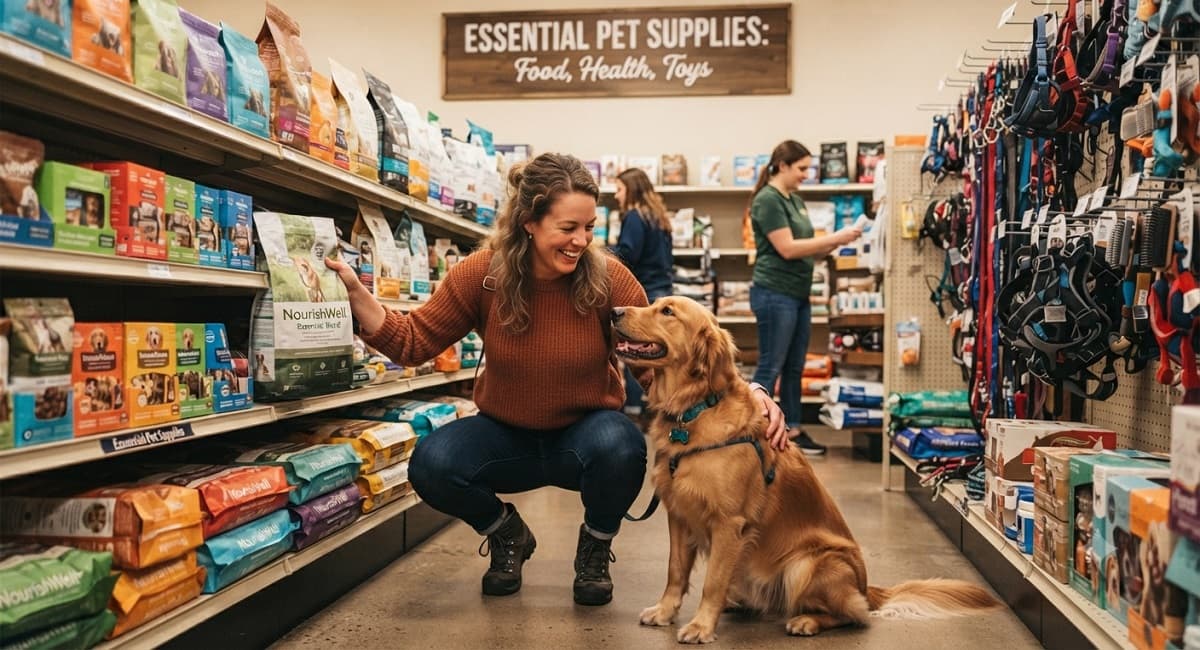
Related – Essential Pet Supplies: What Every New Pet Owner Needs