

You don’t need more money to feel richer. You need fewer unnecessary expenses and more of what actually fills you up.
Most of us are stuck in the same quiet trap: we work hard, earn more, spend more, and somehow still feel like we’re running short—of money, of time, of joy. The constant low-grade pressure of bills, subscriptions, “just one more” purchases, and comparison with others slowly drains the pleasure out of ordinary days.
The good news? You can reverse this without extreme frugality, without giving up everything fun, and without waiting until you have a bigger salary. Spending less and enjoying life more are not opposites. Done right, they reinforce each other. When you stop leaking money on things that don’t matter, you free up both cash and mental space for the things that do.
You May Also Like


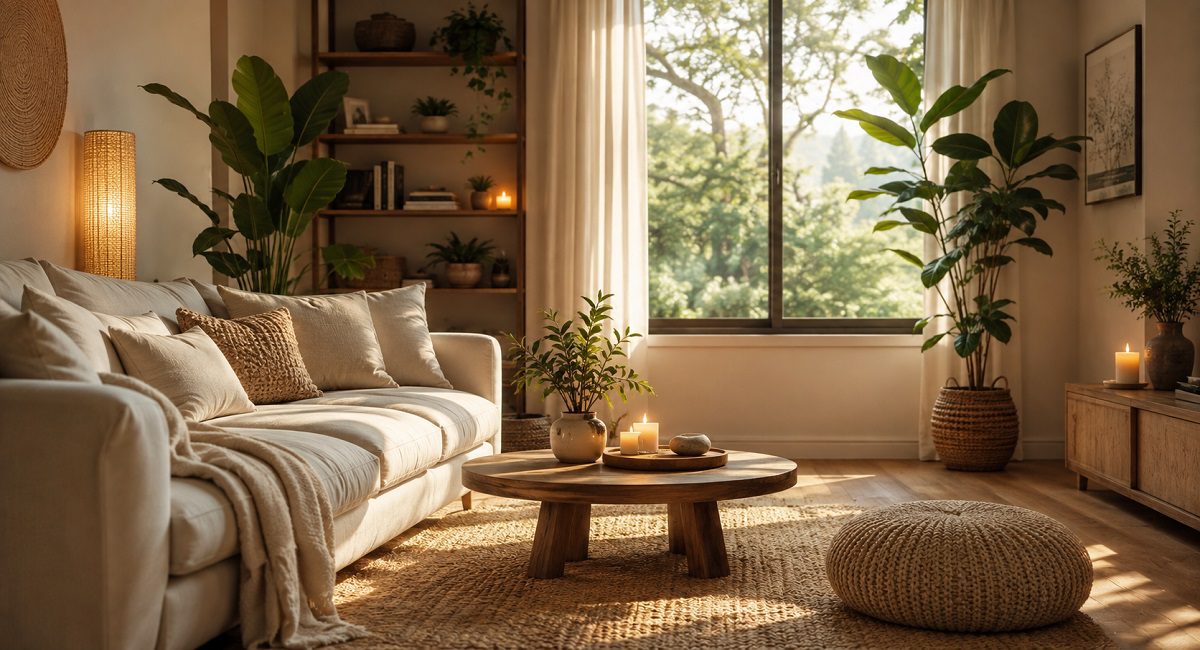

Here are ten simple, practical ways to spend less while actually increasing your enjoyment of everyday life. These are not rigid rules. They are shifts in how you think and act—shifts that compound over time.
1. Stop Buying Convenience and Start Creating Small Rituals
Convenience is expensive and often joyless. Food delivery, pre-cut vegetables, single-use everything, coffee runs, and “I’ll just grab something on the way” decisions add up fast. More importantly, they remove the small moments of presence that make ordinary life feel good.
Instead of ordering dinner three nights a week, cook something simple twice and turn one of those nights into a tiny ritual. Light a candle. Play a playlist you love. Put your phone in another room. Eat slowly. The meal doesn’t have to be fancy. The act of preparing and sharing it (even if it’s just with yourself) creates a sense of care that delivery never does.
The same principle applies to coffee. Making your own at home and drinking it from a mug you actually like, while looking out the window or reading two pages of a book, often feels better than standing in a queue for an overpriced cup. You save money and you reclaim a pocket of calm.
Track how much you currently spend on convenience for one week. Most people are shocked. Then replace just half of those purchases with small, intentional versions of the same activity. You’ll spend less and feel more present.
2. Practice the 48-Hour Rule for Non-Essentials
Impulse buying is one of the biggest silent budget killers. The item feels necessary in the moment especially when it’s on sale or when someone on social media made it look essential. Forty-eight hours later, the urgency usually disappears.
Whenever you want something that isn’t food, medicine, or a true emergency, write it down and wait two full days. No adding to cart. No “just checking the price again.” Just note it and move on with your day.
After 48 hours, ask three questions:
- Do I still want this as much?
- Will this meaningfully improve my daily life, or is it a temporary mood fix?
- Is there something I already own that serves the same purpose?
You’ll be surprised how many things lose their shine. The ones that survive the wait are usually worth buying and you’ll buy them with clearer intention, which makes the purchase more satisfying rather than guilt-inducing.
This single habit can cut discretionary spending significantly while making the things you do buy feel more valuable.
3. Audit Your Subscriptions Like They Are Monthly Rent
Subscriptions are designed to be invisible. A few hundred rupees here, a few hundred there, and suddenly a meaningful portion of your income is leaving every month for services you barely use.
Once a quarter, list every recurring payment streaming, apps, software, gym, magazines, cloud storage, meal kits, beauty boxes, everything. For each one, ask: “If this was charged as a single annual payment today, would I still pay it?”
Cancel ruthlessly. Keep only what you actively use and genuinely enjoy. Many people discover they can live happily with one or two streaming services instead of four, or that the gym membership they never visit can be replaced by free outdoor walks and bodyweight exercises that actually feel better.
The money you free up can go toward experiences you care about, or simply stay in your account and reduce financial stress. Both outcomes increase enjoyment.
4. Redefine “Treat Yourself”
“Treating yourself” has been hijacked by marketing. It now usually means buying something. But the best treats are often free or nearly free and leave you feeling better the next day instead of slightly emptier.
Real treats:
- An uninterrupted hour with a book or a podcast you love
- A long walk in a park or along a water body at golden hour
- Cooking a slightly special meal just because
- Calling a friend you miss and talking without multitasking
- Sitting in silence with good tea and no agenda
When you start collecting these kinds of treats, the desire for expensive “rewards” decreases. You begin to associate pleasure with presence rather than purchase. Life starts feeling richer even as your spending drops.
5. Embrace the Joy of Enough
We are constantly told that more is better more clothes, more gadgets, more options, more experiences packed into every weekend. The hidden cost is decision fatigue, clutter, and the quiet dissatisfaction that comes from never feeling settled.
Choose a few categories where you deliberately decide “this is enough.” Enough pairs of shoes. Enough kitchen gadgets. Enough streaming options. Enough weekend plans.
When you stop chasing the next upgrade, you free mental energy. You also start noticing and enjoying what you already have more deeply. A well-loved jacket feels better than a closet full of clothes you never wear. A simple evening at home with someone you care about often outranks an expensive outing that leaves you tired and slightly poorer.
“Enough” is not deprivation. It is a form of freedom.
6. Make Your Home a Place You Actually Want to Be
A lot of spending happens because home doesn’t feel good enough. We go out to eat, shop, or distract ourselves because staying in feels dull or stressful.
You don’t need a renovation. Small, low-cost changes can transform how a space feels:
- Clear surfaces of clutter
- Add one plant or a few books you love
- Improve lighting (warm bulbs make a huge difference)
- Create one comfortable corner that is just for reading, resting, or thinking
When home becomes a place of genuine comfort and calm, the urge to escape it decreases. You spend less on going out simply because staying in starts feeling like a good option rather than a last resort.
7. Shift from Buying Experiences to Creating Them
Experiences are usually better value than things, but even experiences can become expensive and performative. The most memorable ones are often the ones you design yourself with little or no money.
Instead of defaulting to restaurants, movies, or paid activities, invent small adventures:
- A picnic with food you prepared together
- Exploring a neighborhood you’ve never walked through properly
- A themed evening at home (cook a cuisine you’ve never tried, watch a classic film, play board games)
- Teaching each other a skill (one person shows the other how to make something, fix something, or play something)
These cost almost nothing and often create stronger memories than expensive outings because they involve creativity and presence. You spend less and connect more.
8. Use the “One In, One Out” Rule for Belongings
Clutter is expensive in multiple ways. It costs money to acquire, space to store, time to manage, and mental energy to live with. Every unused item is a quiet reminder of past spending that didn’t deliver lasting value.
Adopt a simple rule: whenever something new comes into your home, something similar leaves. Buy a new shirt? Donate or sell an old one. Get a new book? Pass on one you’ve finished. This keeps the total volume of stuff roughly stable and forces you to evaluate whether the new item is truly worth the space it will occupy.
Over time, your home becomes lighter and more intentional. You stop accumulating and start curating. That shift alone reduces the desire to keep buying.
9. Build a “Boring” Money System That Runs Itself
Financial stress is one of the biggest joy-killers. When you’re constantly worried about money or making dozens of small decisions about spending every week, it’s hard to relax into the present.
Set up simple systems so the important money decisions happen automatically:
- Automate savings and bill payments the day after salary arrives
- Keep a separate account or envelope for “fun money” so spontaneous joys don’t derail the bigger picture
- Review your spending once a month instead of obsessing daily
When the system handles the basics, you stop carrying low-level money anxiety. That mental freedom is worth far more than the small amount of interest you might earn by micromanaging every rupee. You can actually enjoy the money you do spend because it’s intentional rather than reactive.
10. Measure Wealth by Free Time and Calm, Not Just Income
The ultimate goal is not to spend as little as possible. It is to create a life where money supports your well-being instead of constantly demanding attention.
Ask yourself regularly:
- Do I have enough free time to do things that matter to me?
- Can I say no to things that drain me without financial panic?
- Do ordinary days feel mostly pleasant rather than rushed or anxious?
When these answers improve, you are getting richer in the ways that actually count even if your bank balance stays the same for a while.
Spending less is not about becoming a different person who never enjoys anything. It is about removing the noise so the good parts of life become clearer and more frequent. The coffee you make yourself tastes better when you’re not rushing. The evening walk feels more peaceful when you’re not mentally calculating last month’s expenses. Conversations go deeper when no one is distracted by the next purchase or the next obligation.
Start with one or two of these shifts. Notice how they feel after a few weeks. Most people discover that the version of life with less spending and more intention is not smaller it is quieter, clearer, and surprisingly more enjoyable.
You don’t have to wait for a raise, a windfall, or the perfect financial moment. The tools are already available. The only requirement is the willingness to question the assumption that more spending equals more living.
Spend less on what doesn’t matter. Protect and expand what does. Life gets better from both sides at once.