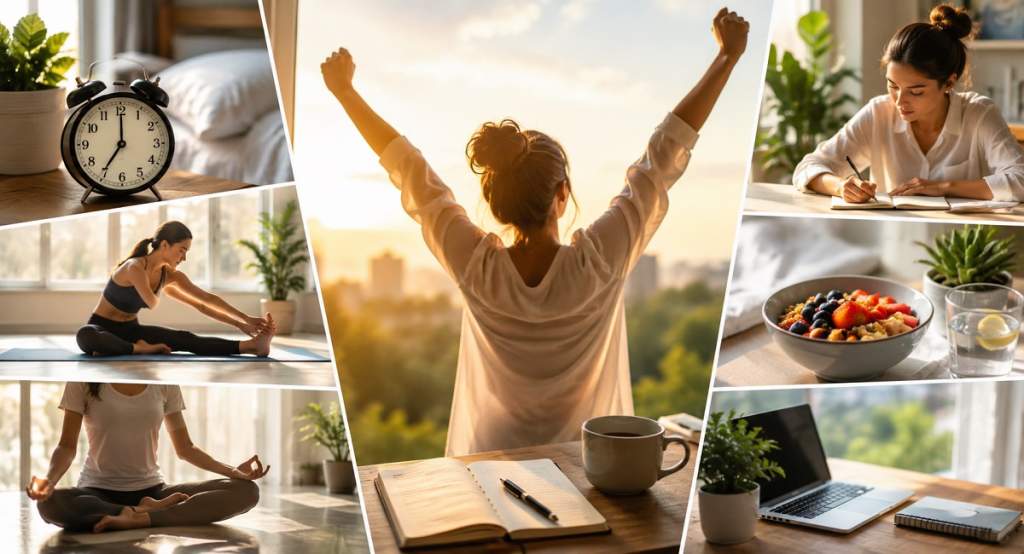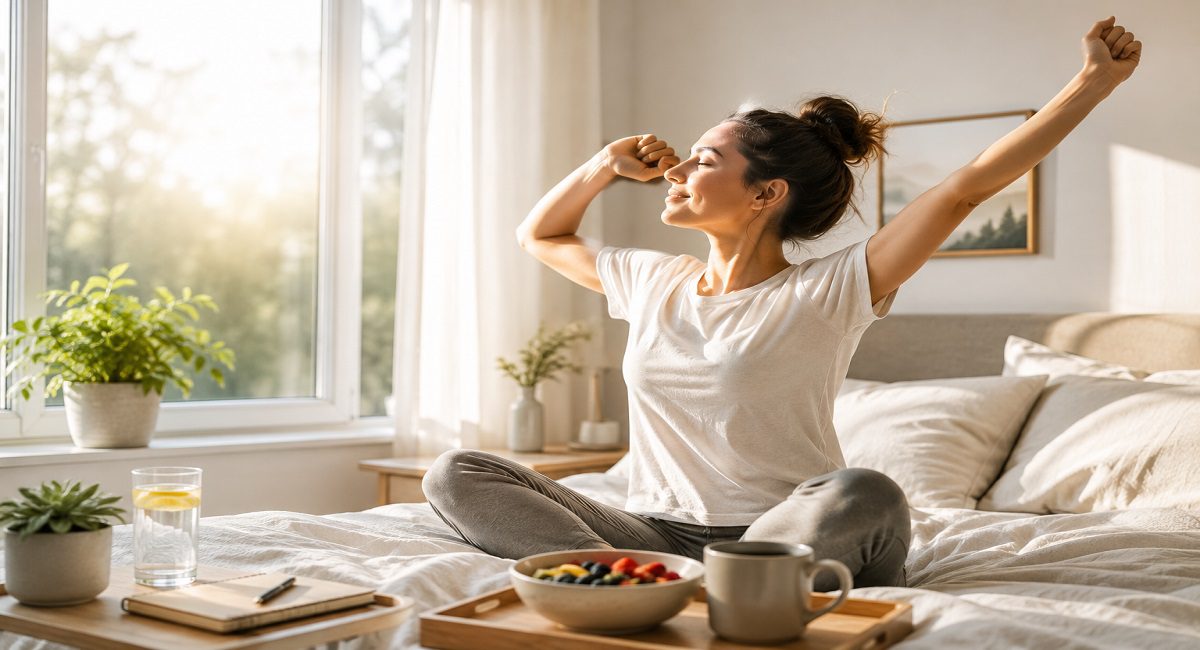
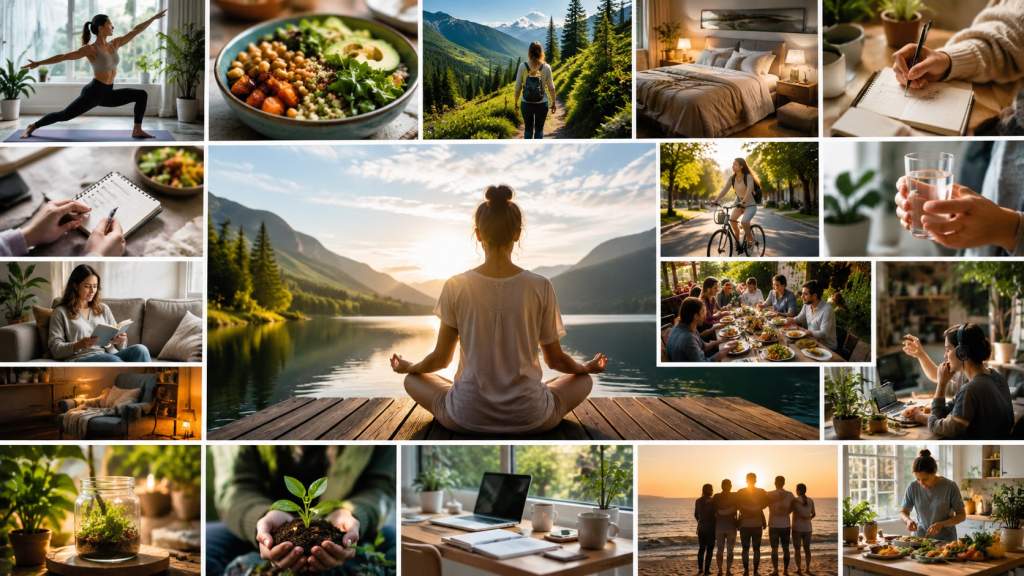
The year 2026 doesn’t feel like a futuristic leap. It feels like a quiet recalibration. After years of hustle culture, endless optimization, and digital overload, people are choosing practices that actually stick. They’re not chasing perfection or the next viral biohack. They’re building sustainable habits that improve energy, relationships, mental clarity, and long-term healthspan. Here’s what’s actually working for people right now.
1. Treating Sleep Like a Non-Negotiable Performance Tool
Sleep has moved from afterthought to foundation. People are protecting 7–9 hours with the same seriousness they once reserved for workouts. Consistent bedtimes, morning light exposure, and wind-down routines (no phones in the bedroom, cooler rooms, dim lighting) are becoming standard. Many track sleep quality with wearables but focus less on perfect scores and more on how they feel the next day. Better sleep improves mood, metabolism, immunity, and cognitive function. In 2026, rest is no longer a luxury it’s the base layer everything else sits on.
2. Embracing Zone 2 Cardio and Strength Training for Longevity
The goal has shifted from looking fit to staying capable into old age. Zone 2 cardio comfortable, conversational-pace efforts like brisk walking, easy cycling, or swimming builds mitochondrial health and metabolic resilience. Pair it with two strength sessions a week and you protect muscle, bone density, balance, and independence. People in their 30s, 40s, and beyond are realizing that lifting moderate weights and moving daily matters more than extreme HIIT or marathon training. The focus is functional capacity: being able to play with kids, travel, and stay sharp for decades.
You May Also Like

3. Eating for Gut Health, Fiber, and Stable Energy
Calorie counting is fading. People are asking what food does for their gut, hormones, energy, and inflammation. Whole-food, fiber-rich patterns plenty of vegetables, legumes, fruits, whole grains, nuts, and quality proteins are winning. Prebiotic fibers that feed the microbiome are getting special attention. Meals built around protein, fiber, and healthy fats reduce energy crashes and cravings. Functional nutrition is practical: food as medicine without the extreme restriction. Many are simply cooking more at home and choosing less ultra-processed options because they feel better.
4. Going Sober-Curious Year-Round
Dry January no longer ends on January 31. Alcohol-free social options, mocktail menus, and reduced-drink defaults at events have become structural. People notice clearer mornings, better sleep, improved mood, and stronger relationships when they drink less or not at all. The movement isn’t about moral superiority it’s about choosing presence and better recovery. Social life has adapted: alcohol-free venues and gatherings are normal, not niche.
5. Using Wearables and AI for Personalized Guidance (Without Obsession)
Smart rings, watches, continuous glucose monitors, and AI tools give real-time feedback on sleep, recovery, stress, and metabolism. The smart users treat the data as a coach, not a judge. They look for patterns how late meals affect sleep, how stress shows up in heart-rate variability and adjust simply. AI helps interpret labs and suggest personalized nutrition or movement plans, but the best results still come when people combine the tech with professional advice and common sense. The goal is insight, not endless tracking anxiety.
6. Taking Micro-Walks Throughout the Day
Long gym sessions are great when they fit, but many people are winning with short bursts: 5–15 minute walks after meals, during calls, or between tasks. These micro-walks improve blood sugar, circulation, energy, and focus while breaking up sitting. They require almost no planning and fit real life. Experts note that frequent light movement often delivers better daily benefits than one intense session that people skip when life gets busy.
7. Regulating the Nervous System on Purpose
Chronic stress and overstimulation are recognized as major aging accelerators. Breathwork, short somatic practices, progressive muscle relaxation, and deliberate downtime are mainstream. People practice a few minutes of intentional breathing in the morning or evening, or take short pauses to downshift from fight-or-flight. The result is better emotional regulation, improved sleep, and greater resilience. Nervous system care is no longer soft it’s considered foundational for mental and physical healthspan.
8. Treating Social Connection as Medicine
Loneliness is treated as a health risk. People are deliberately building and maintaining real relationships run clubs, community saunas, shared meals, neighborhood gatherings, or simply consistent check-ins with friends and family. Strong social ties are linked to longer, healthier lives. In 2026, the “workout is the excuse to gather” mindset is common. Connection, purpose, and belonging are understood as biologically protective, not optional extras.
9. Practicing Mindful Tech Use and Digital Boundaries
The always-on culture is meeting real resistance. Phone-free mornings or evenings, analog alarms, screen-time limits, and device-free meals or bedrooms are widespread. Many practice “slowmaxxing” or intentional offline time to reclaim attention and reduce digital burnout. The shift isn’t anti-technology it’s pro-agency. People decide when tech serves them instead of letting it dictate their nervous systems and relationships.
10. Focusing on Healthspan Over Lifespan
Longevity culture has gone mainstream and practical. People care less about extreme biohacking and more about staying mobile, sharp, and independent. Simple markers strength, balance, VO₂ max awareness, metabolic health guide decisions. Biological age testing and basic blood work are more accessible. The middle-class version of longevity is about consistent habits that compound: move, sleep, eat well, manage stress, and stay connected. The aim is quality years, not just more years.
11. Exploring Contrast Therapy and Recovery Rituals
Alternating heat and cold saunas, cold plunges, or contrast showers is popular for recovery, mood, and nervous system training. People use it to practice shifting between stress and rest states. It’s not about extreme endurance; many keep it simple and consistent. Combined with good sleep and movement, these rituals support resilience without requiring expensive memberships.
12. Choosing Time Affluence Over Constant Busyness
People are protecting unscheduled time. They’re saying no more often, batching tasks, and treating free hours as a form of wealth. Time affluence the feeling of having enough time reduces stress and improves life satisfaction more than many material upgrades. This shows up as slower mornings, protected weekends, or simply refusing to fill every gap with productivity. Quality of experience is winning over quantity of output.
13. Building Positive Emotion Habits
Small, intentional practices that generate positive emotions create upward spirals. People deliberately savor good moments, send “just because” messages, practice gratitude, or notice small wins. Research on the broaden-and-build theory supports this: positive emotions expand thinking and build lasting resources relationships, resilience, creativity. These micro-habits cost almost nothing and compound over time.
14. Prioritizing Strength and Functional Movement Across Ages
Muscle is medicine. Resistance training is no longer just for bodybuilders or young athletes. People of all ages are lifting weights or doing bodyweight strength work two or more times a week to preserve lean mass, support metabolism, protect joints, and maintain independence. Combined with mobility work and daily movement, it becomes one of the highest-ROI habits for healthy aging.
15. Creating Simple Daily Rituals Instead of Perfect Overhauls
The era of dramatic New Year overhauls is fading. People are stacking tiny, repeatable habits: a short morning walk, a few conscious breaths, a protein-and-fiber breakfast, a consistent bedtime, or five minutes of journaling. These “keystone” or micro-habits are easier to maintain and create momentum. Consistency beats intensity. The result is quieter, more reliable progress that doesn’t collapse when life gets messy.
The Quiet Revolution of 2026
What ties these practices together is realism. People are less interested in looking optimized on social media and more interested in feeling capable, calm, and connected in real life. They’re combining evidence-based fundamentals sleep, movement, nutrition, stress regulation, relationships with accessible tools and a healthier relationship to technology and time.
None of these require perfection or expensive programs. Most start with one or two changes that fit your current life. The people living better in 2026 are not those chasing every trend. They’re the ones choosing a handful of habits that actually support the life they want to keep living for a long time.
Start small. Protect your sleep. Move a little more. Eat real food. Connect with people. Give your nervous system room to breathe. The rest tends to follow.