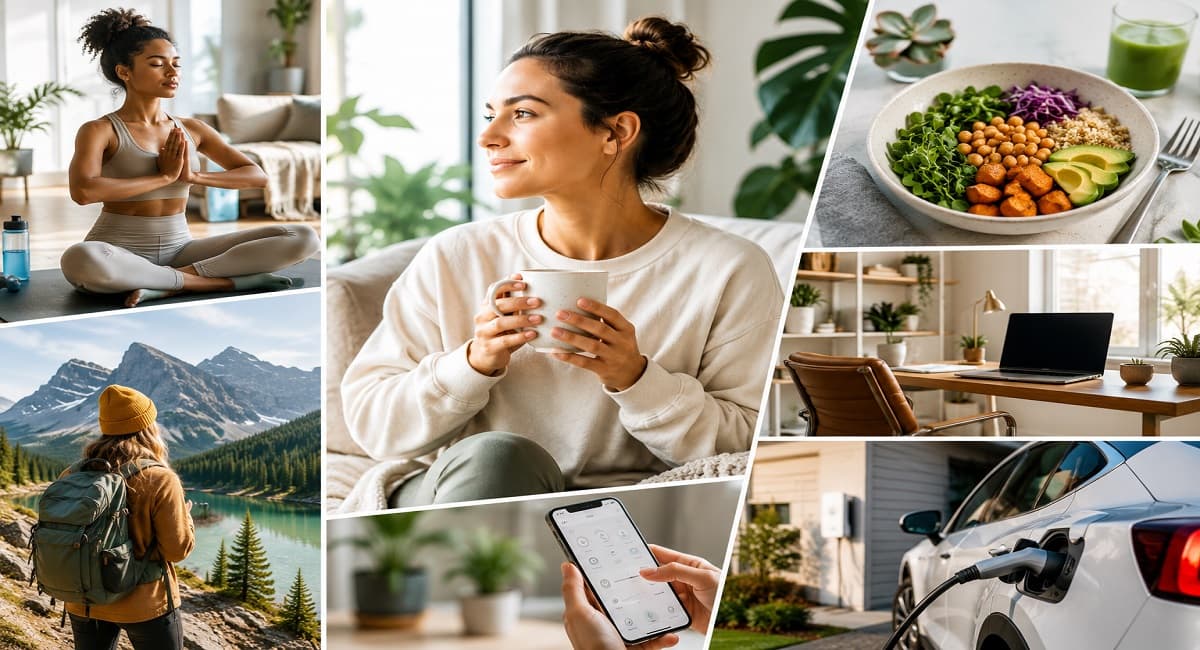
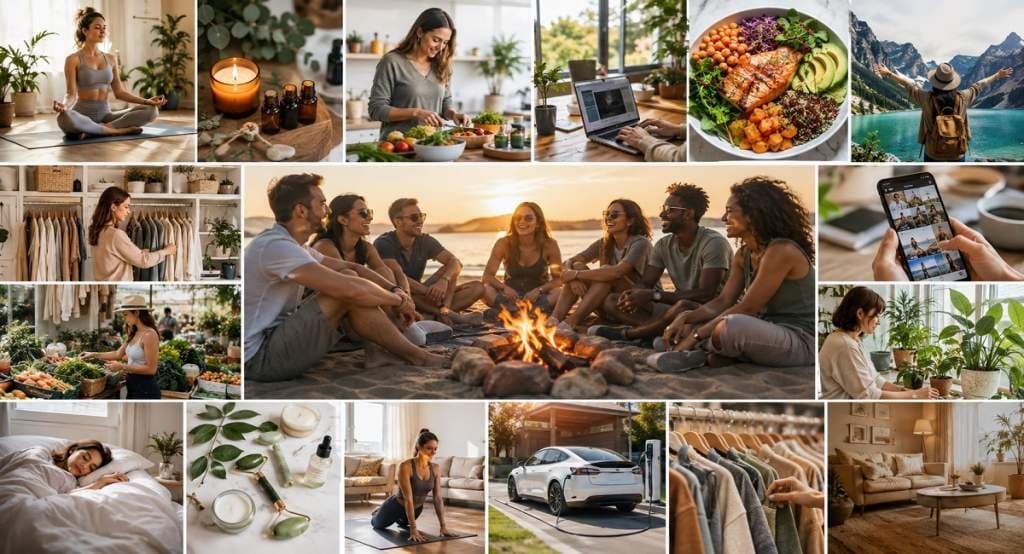
America is always reinventing how it lives. From the way people eat and move to how they socialize, rest, and chase meaning, the cultural script keeps rewriting itself. Right now, in the mid-2020s, a fresh wave of lifestyle shifts is sweeping across the country. These aren’t just fleeting TikTok fads. Many are reshaping daily habits, spending, and even identity for millions of Americans.
What follows is a deep dive into 15 lifestyle trends currently dominating American life. They blend wellness, technology, community, and a quiet rebellion against burnout culture. Some feel futuristic. Others feel like a return to simpler times. All of them are changing how people show up in the world.
1. The GLP-1 Lifestyle Revolution
Weight-loss medications like Ozempic, Wegovy, and their newer cousins have moved far beyond the doctor’s office. They’ve created an entire ecosystem. People on these drugs are rethinking nutrition, strength training, protein intake, and even social eating. Restaurants are quietly adjusting portion sizes. Grocery shopping looks different. Gyms are seeing more clients focused on muscle preservation rather than pure fat loss.
You May Also Like
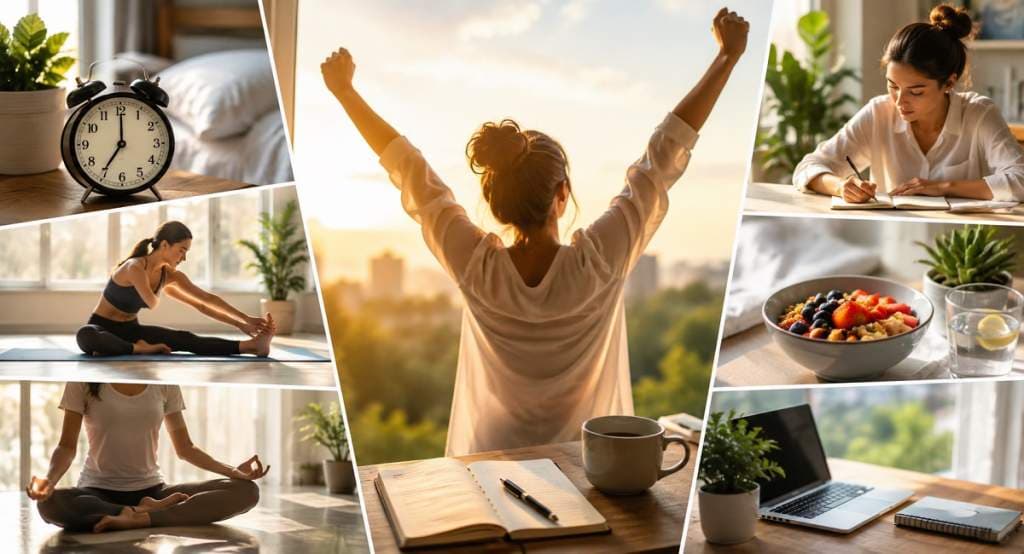
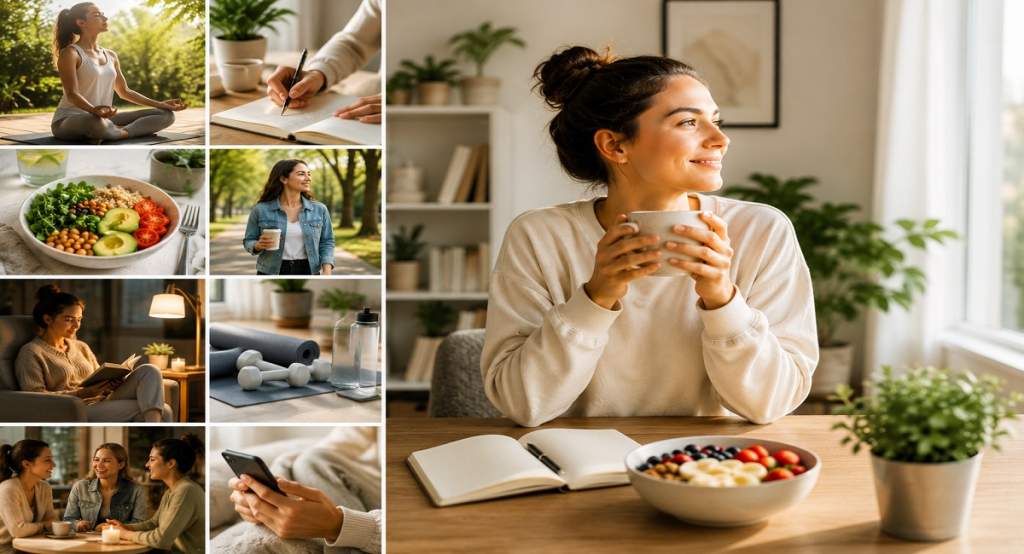
This isn’t just about looking thinner. It’s rewriting conversations around hunger, identity, and health. The cultural ripple effects—new food products, specialized coaching, and mental-health support—are only getting bigger. What started as a medical tool has become a full lifestyle overhaul for millions.
2. Longevity Culture Goes Mainstream
What used to be the domain of Silicon Valley biohackers and ultra-wealthy enthusiasts is now available at Target. Everyday Americans are talking about VO2 max, Zone 2 training, sleep scores, and “healthspan” instead of just lifespan. Middle-class consumers are buying red-light devices, tracking biomarkers, and treating aging as something you actively manage rather than passively accept.
Longevity has shifted from elite obsession to practical aspiration. People want to stay strong, sharp, and independent well into their later decades. The conversation has moved from “How do I live forever?” to “How do I stay capable and vibrant for as long as possible?”
3. Sober Curiosity Becomes Everyday Life
Dry January no longer ends on February 1. Alcohol-free options have become structural. Mocktail menus are permanent fixtures. Alcohol-free social venues are popping up. Corporate events default to lower-drink or zero-drink norms. Gen Z and millennials in particular are choosing clarity over the traditional weekend hangover.
This isn’t pure abstinence for everyone. Many people still drink—but more intentionally, less frequently, and with better alternatives available. The stigma around saying “I’m not drinking tonight” has largely disappeared. Clarity, better sleep, and next-day energy have become status symbols of their own.
4. The Solo Economy and Intentional Alone Time
One-person households are now the most common living arrangement in America. Solo living is no longer a temporary phase or a sign of something missing. It’s a deliberate choice for independence, flexibility, and control. Solo travel is booming. People are booking trips with groups of strangers, joining activity-based social events, and building lives that don’t revolve around a partner or traditional family structure.
This shift is changing everything from housing design to marketing to how cities plan public spaces. The solo life isn’t lonely by default—it’s often rich with curated community and personal freedom.
5. Protein Obsession Hits Peak Levels
Protein has become the new cultural currency of health. Search interest keeps setting records. People are “protein-maxxing” everything—breakfast, snacks, desserts, even coffee. High-protein products dominate grocery aisles. Fitness culture and GLP-1 use have only accelerated the trend.
It’s not just bodybuilders anymore. Everyday Americans are treating protein as foundational for energy, muscle maintenance, satiety, and healthy aging. The conversation has moved past “Do I need more protein?” to “How do I get enough without overthinking every meal?”
6. Home Fitness as the Default
For the first time, home workouts have crossed the threshold to become the primary mode of exercise for a majority of Americans. Gyms still matter, but the living-room setup—smart equipment, apps, and streaming classes—has won for convenience and consistency.
Gen Z and millennials are leading the charge. The pandemic forced the experiment; post-pandemic life made it permanent for many. Home fitness is no longer a backup plan. It’s the main plan, often supplemented by occasional studio or outdoor sessions.
7. Wearables and Bio-Tracking Everywhere
Wearable technology sits at the top of fitness trend lists year after year. Sleep scores, recovery metrics, heart-rate variability, and continuous glucose monitors have moved from niche to normal. People are using data not just to optimize workouts but to understand stress, recovery, and daily energy.
The goal has shifted from pure performance to sustainable self-knowledge. Americans are treating their bodies like systems that can be measured, understood, and gently improved rather than pushed through sheer willpower.
8. Digital Detox and the Analog Comeback
Screen fatigue is real. People are logging off more deliberately—phone-free evenings, analog hobbies, paper books, and “logging off” as a status signal. There’s a quiet cultural push toward fewer notifications and more presence. Reading long-form content is being reframed as radical self-care against “AI brain rot.”
This doesn’t mean abandoning technology. It means drawing boundaries. The most intentional people are treating attention as a limited resource and protecting it accordingly.
9. Slow Living and the Stability Premium
In a world of constant change and information overload, stability has become a premium emotional need. People are craving predictability, routines, and calmer rhythms. Slow living—fewer commitments, more intentional days, softer paces—is gaining ground as an antidote to burnout.
This shows up in everything from how people schedule their weeks to the rise of comfort-focused home environments and “soft life” aesthetics. The new flex is not being busy. It’s being grounded.
10. Community Building Through Shared Activities
Run clubs, book clubs, plant swaps, trivia nights, and activity-based social events are surging. Americans are hungry for real-world connection that doesn’t revolve around drinking or scrolling. These low-pressure, interest-based gatherings are filling the gap left by declining traditional institutions and superficial online interaction.
The trend rewards consistency over intensity. Showing up regularly to the same small group creates belonging without the pressure of forced networking or performative social media.
11. Gut Health and Fibermaxxing
Fiber has gone from forgotten nutrient to wellness star. TikTok-fueled “fibermaxxing,” growing awareness of the microbiome, and connections to metabolic health (especially among GLP-1 users) have put fiber front and center. People are adding more plants, experimenting with prebiotic foods, and treating gut health as foundational rather than secondary.
This pairs naturally with the broader shift toward whole foods and away from ultra-processed defaults. Digestion, energy, and mood are all getting linked back to what’s happening in the gut.
12. Intentional Dating and the End of Situationships
Ambiguity is losing its cultural cool. More people—especially younger adults—are defining the relationship earlier and preferring clarity over prolonged uncertainty. “Quiet dating” (less performance, fewer public updates) is rising alongside a rejection of endless situationships.
The dating landscape is still complex, but the cultural mood is shifting toward more direct communication and higher standards for emotional availability. Solo living and intentional community-building are making it easier for people to walk away from low-effort connections.
13. Dopamine Hobbies and Experiential Living
Competitive hobbies, creative skills, and novel experiences are booming. From pickleball and padel to songwriting, dance classes, adult summer camps, and hands-on workshops, Americans are seeking activities that deliver real-world dopamine and mastery. These hobbies offer a break from passive scrolling and a sense of progress that feels tangible.
The common thread is engagement. People want to do things with their hands, bodies, and minds rather than just consume content about them.
14. Practical Sustainability and Conscious Consumption
Sustainability has matured. The most lasting version isn’t pure idealism—it’s practical choices that feel good and work in real life. Refillable products, thrifting, local sourcing, and reducing unnecessary consumption are gaining traction without the all-or-nothing pressure of earlier green movements.
People are looking for options that align with their values without requiring perfection. Brands that make the sustainable choice the convenient choice are winning.
15. Flexibility as the New Status Symbol
Whether in work, relationships, or daily routines, flexibility has become a core value—especially for millennials and Gen Z. Many now prioritize control over their time and energy as highly as (or more than) pure income or traditional milestones. Hybrid arrangements, solo living, and intentional scheduling all feed into this larger desire for agency.
The American Dream itself is being rewritten around personal fulfillment, quality of life, and the ability to adapt rather than rigid markers of success. Flexibility isn’t just convenient. It’s becoming a marker of a well-designed life.
Why These Trends Matter
Taken together, these 15 shifts paint a clear picture of where American lifestyle culture is heading. People are tired of pure hustle, pure optimization theater, and pure performance. They’re seeking systems that support longevity, clarity, real connection, and a sense of control in an unpredictable world.
Some trends will fade. Others will harden into permanent cultural infrastructure. The GLP-1 ecosystem, mainstream longevity practices, structural sober options, and the normalization of solo living already feel sticky. Home fitness, wearables, and intentional community-building are reshaping daily routines at scale.
What unites almost all of them is a move toward greater agency. Americans are experimenting with how they eat, move, socialize, rest, and define success—not because a marketing campaign told them to, but because the old scripts stopped working.
The interesting part isn’t any single trend in isolation. It’s the combination. A person might be on a GLP-1 medication, tracking recovery with a wearable, prioritizing protein and fiber, choosing alcohol-free social nights, living alone by choice, joining a run club, and protecting focused reading time. That combination would have looked unusual a decade ago. Today it’s increasingly normal.
Lifestyle trends have always revealed what a culture values and what it is trying to heal. Right now, America is trying to heal from burnout, disconnection, and a sense of lost control—while still chasing better health, longer capability, and more meaningful days. The 15 trends above are the current answers people are testing in real time.
Whether you’re already living several of these or just noticing them around you, one thing is clear: the way Americans live is shifting under our feet. The only question left is which of these changes will still feel relevant five years from now—and which new ones will emerge to take their place.
Related – 15 Smart Lifestyle Changes to Make Before 2027: Simple Habits That Can Transform Your Life