
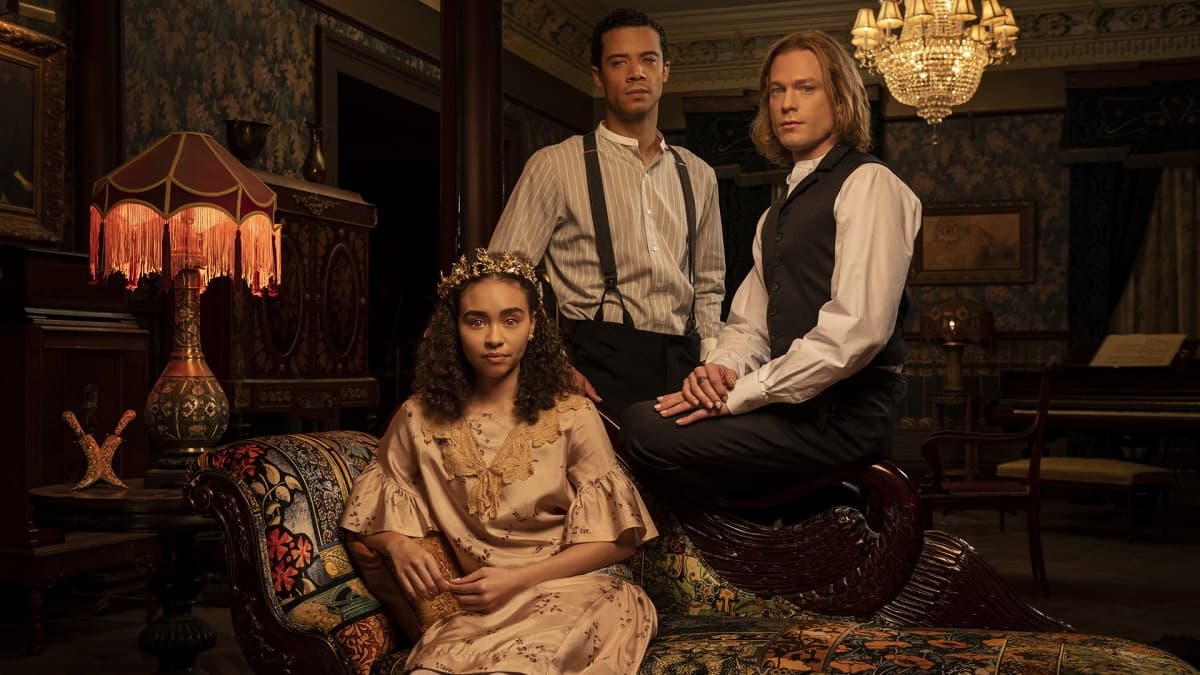
When it comes to gothic cinema, few films have left as indelible a mark as the 1994 masterpiece, ‘Interview with the Vampire’. Based on the beloved 1976 novel of the same name by Anne Rice, this visually stunning adaptation redefined the vampire genre for a modern audience. Featuring a powerhouse cast led by Tom Cruise and Brad Pitt, the movie is a sweeping, melancholic, and deeply atmospheric tale that spans centuries and continents.
But beyond the stellar performances and the hauntingly beautiful narrative, the film is legendary for its breathtaking production design and carefully selected filming locations. From the humid, mysterious swamps of Louisiana to the historic streets of Paris and the gloomy studios of London, the settings of the film are characters in their own right.
If you are a fan of this classic horror-drama and have ever wondered where its most iconic scenes were brought to life, you are in the right place. Here is a comprehensive dive into the story, the making of the film, and the real-world locations that built the darkly beautiful world of ‘Interview with the Vampire’.
You May Also Like

The Premise: A Tale of Immortality, Grief, and Darkness
To truly appreciate the locations, one must first understand the emotional depth of the story. The film opens in modern-day San Francisco, where a 200-year-old vampire named Louis de Pointe du Lac (played by Brad Pitt) recounts his tragic life story to a skeptical journalist, Daniel Molloy (Christian Slater).
The narrative transports us back to the late 18th century in Spanish Louisiana. Contrary to some misconceptions, Louis is not a king; he is a wealthy but deeply grieving plantation owner mourning the devastating loss of his wife and child. Consumed by sorrow and possessing a death wish, Louis’s life takes a dark turn when he encounters the charismatic, ruthless, and flamboyant vampire, Lestat de Lioncourt (Tom Cruise).
Lestat offers Louis an alternative to his agonizing human existence: the “Dark Gift” of immortality. However, Louis soon realizes that eternal life comes at a terrible price. Unable to shed his human morality, Louis struggles with the monstrous necessity of killing to survive. Their toxic, centuries-long dynamic becomes even more complicated with the introduction of Claudia (Kirsten Dunst), a young girl they turn into a vampire to form a twisted, immortal family.
Set initially in 1791, the film uses a magnificent array of practical sets and real-world locations to arouse our curiosity and immerse us in the passage of time.
The Filming Timeline and Production Design
Bringing Anne Rice’s expansive vision to the big screen was a monumental task. The principal photography for ‘Interview with the Vampire’ reportedly began on October 18, 1993, and wrapped up after five grueling months on March 15, 1994.
To capture the distinct eras—from 18th-century Louisiana to 19th-century Europe and 1990s America—the production spanned several countries, including the USA, France, and England. The brilliant production designer Dante Ferretti was tasked with creating the lavish, gothic aesthetics that would ultimately define the film.
Filming Locations: Where Was the Movie Shot?
1. Louisiana, USA: The Heart of the Southern Gothic
The sprawling, moss-draped landscapes of Louisiana serve as the emotional and visual foundation of the film. To achieve a historically accurate vision of 18th and early 19th-century New Orleans, the production team utilized both real locations and masterfully constructed sets.
View this post on Instagram
- New Orleans & The French Quarter: A significant portion of the film was shot directly in New Orleans. The crew filmed in the iconic French Quarter and built a deliberate, historically accurate set along the banks of the Mississippi River to recreate the bustling port city of the 1700s.
- Destrehan and Oak Alley Plantations: To create Louis’s sprawling, wealthy estate, the filmmakers combined the distinct features of two famous historical sites. They used the exterior of the Destrehan Plantation (a historic mansion in Destrehan, Louisiana) and seamlessly blended it with the breathtaking, oak-lined avenues of the Oak Alley Plantation, located at 3645 Highway 18 in Vacherie.
- Lafayette Cemetery No. 1: For the eerie, gothic graveyard scenes, the crew filmed at the famous Lafayette Cemetery No. 1, located at 1400 Washington Avenue in New Orleans.
- Other Louisiana Locations: Additional exterior and landscape shots were captured in Shreveport and Laurel Valley in Thibodaux, giving the film its authentic, humid Southern atmosphere.
2. California, USA: The Modern-Day Interview
While the bulk of the film is a period piece, the framing narrative takes place in modern-day California. San Francisco provides the grim, urban contrast to the romanticized past of New Orleans.
View this post on Instagram
- The Golden Gate Bridge: Several atmospheric scenes were shot in and around San Francisco, prominently featuring the iconic Golden Gate Bridge to establish the modern timeline.
- The St. Martin Hotel: The actual interview between Louis and the journalist takes place in a dingy room at the fictional St. Martin Hotel. The exterior of this hotel was filmed at the busy intersection of Taylor Street, Market Street, and Golden Gate Avenue. Interestingly, the real-world location used for the ground level was a popular local joint called Show Dogs Fine Sausages (located at 1020 Market Street), though it has since permanently closed.
3. France: The Search for Old World Vampires
When Louis and Claudia flee America in search of others of their kind, their journey brings them to the “City of Love”—Paris, France. The European locations added a layer of grand, classical architecture to the film.
View this post on Instagram
- Palais Garnier (Opéra National de Paris): To capture the lavish arrival of Louis and Claudia at their luxurious Parisian hotel, the filmmakers used the magnificent exterior and grand reception area of the Palais Garnier. Located at 8 rue Scribe, this opera house is a stunning example of 19th-century Beaux-Arts architecture.
- Palais-Royal and Rue de Rivoli: Several atmospheric Parisian street scenes were filmed around the Palais-Royal (a former royal palace in the 1st arrondissement) and the Rue de Rivoli, grounding the vampires’ Old World travels in striking historical reality.
4. England: The Gloom of the Studios and Brad Pitt’s Misery
While Paris provided the exteriors, the intense, dark, and theatrical interiors of the European act were actually filmed in London, England. This portion of the shoot is famously remembered for the toll it took on the cast.
View this post on Instagram
- Pinewood Studios: The sinister and extravagant Théâtre des Vampires—where the European coven puts on their deadly shows—was constructed on the famous Albert R. Broccoli 007 Stage at Pinewood Studios in Iver Heath (just west of London). Production designer Dante Ferretti completely transformed the massive stage into a terrifying, multi-level underground lair.
- London Locations: St Paul’s Church on Deptford High Street was cleverly used to double as the interior of a New Orleans church. The crew also traveled to Whitechapel in East London and filmed at Wilton’s Music Hall on Ensign Street. Additional outdoor park scenes were shot at Marble Hill Park in Richmond.
- “Six Months in the Dark”: The London shoot was famously difficult for Brad Pitt. The strict night shoots and the gloomy London winter meant Pitt rarely saw the sun. He later admitted that he was deeply depressed during this period, famously calling it “Six months in the dark.” The oppressive environment took such a toll on him that he actually tried to break his contract, only to be deterred by the exorbitant $40 million penalty fee. Ironically, this real-life misery perfectly translated into Louis’s on-screen melancholic and tortured demeanor.
A Cinematic Masterpiece Carved from Stone and Shadow
The world of ‘Interview with the Vampire’ is a masterclass in world-building. By blending the historical authenticity of Louisiana’s plantations with the classical grandeur of Paris, the urban decay of San Francisco, and the meticulously crafted studio sets of London, the filmmakers created a vampire movie unlike any other.
The locations did more than just provide a backdrop; they anchored the fantastical, supernatural elements of Anne Rice’s novel in a grounded, tangible reality. Today, fans can still visit many of these iconic spots—from the Oak Alley Plantation to the streets of Paris—and step directly into the hauntingly beautiful world of Louis and Lestat.