
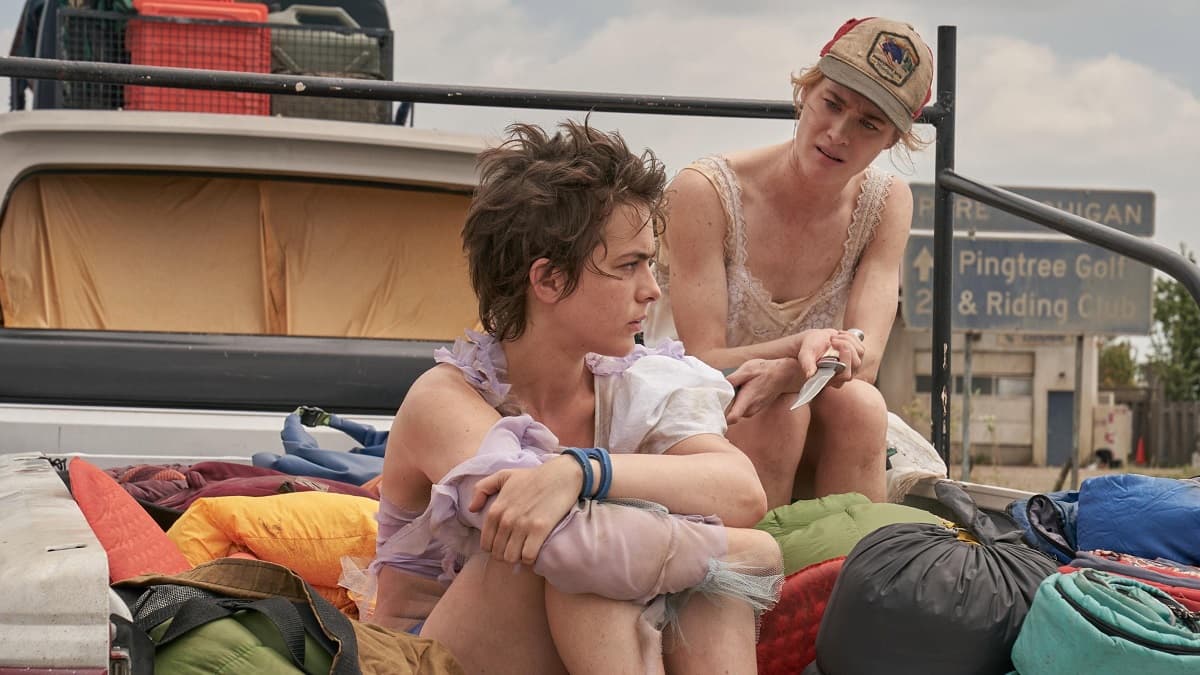
When it comes to post-apocalyptic science fiction, most television shows lean heavily into grim, desolate, and gray landscapes filled with zombies or endless violence. However, HBO Max’s highly acclaimed miniseries ‘Station Eleven’ takes an entirely different and beautifully poetic approach. Based on the bestselling 2014 novel of the same name by Emily St. John Mandel, the series offers a deeply emotional and visually stunning look at the collapse of civilization and the enduring power of human connection and art.
Set against the harrowing backdrop of a devastating global flu pandemic that wipes out over 99% of humanity, the series is a masterclass in world-building. But what truly makes the surreal, overgrown, post-apocalyptic premise believable is the show’s incredible use of real-world environments. The vibrant, lush, and reclaimed urban landscapes go a long way in immersing the audience in this frightening yet hopeful new world.
If you have watched the show and found yourself captivated by the snowy, panic-stricken city streets of “Year Zero” or the lush, green ruins of “Year Twenty,” you are not alone. Here is a comprehensive deep dive into the fascinating production timeline, the gripping premise, and the stunning filming locations that brought ‘Station Eleven’ to life.
You May Also Like



The Premise: Because Survival is Insufficient
To fully appreciate the filming locations, it is crucial to understand the dual timelines and the core philosophy of the narrative. ‘Station Eleven’ hops back and forth between two distinct eras:
- Year Zero: The terrifying initial days of the “Georgia Flu” outbreak, where civilization rapidly collapses in a matter of hours. This era is characterized by freezing temperatures, sheer panic, and the sudden isolation of the survivors.
- Year Twenty: Two decades after the collapse, nature has reclaimed the earth. The world is no longer a burning wasteland; it is a lush, overgrown, and peaceful frontier.
The story primarily follows the Traveling Symphony, a nomadic circle of traveling actors and musicians who roam the dangerous but beautiful settlements of the Great Lakes region. Instead of merely scavenging for food, they perform William Shakespeare’s plays and classical music for the scattered survivors. Their guiding motto, “Survival is insufficient,” highlights the human need for art, culture, and community, even at the end of the world.
As the Symphony travels this new world, they must navigate the emergence of a mysterious and dangerous cult led by a man known only as The Prophet. The physical environments they travel through are essential to telling this story of loss, memory, and rebirth.
The Irony of the Timeline: Shooting a Pandemic During a Pandemic
Before diving into the specific locations, the real-world production timeline of ‘Station Eleven’ deserves special mention because of its eerie parallels to the show’s plot.
Principal photography for the miniseries originally commenced in Chicago in January 2020. The crew was busy filming scenes about a fictional respiratory virus causing a global lockdown. Ironically, just a few weeks into production, the actual COVID-19 pandemic swept across the globe. Filming was abruptly halted, and the cast and crew were forced into the exact kind of lockdown they were trying to portray on screen.
After a massive, months-long delay, lensing finally resumed in a completely different country. The production shifted to Ontario, Canada, in February 2021 and officially wrapped up by July 2021. This bizarre split in the production schedule ended up serving the show perfectly—the pre-pandemic scenes were authentically shot in the freezing, frantic winter of Chicago, while the peaceful, overgrown post-apocalyptic scenes were filmed during the warm, lush summer in Canada.
Filming Locations: Where Was ‘Station Eleven’ Actually Shot?
The production team utilized a brilliant mix of indoor sets and expansive outdoor locations across both the United States and Canada to craft the dual timelines.
1. Chicago, Illinois: The Collapse of the World (Year Zero)
Filming began in Chicago, Illinois, which serves as the primary setting for the onset of the Georgia Flu. The snowy, brutalist architecture of the city perfectly captured the cold, unforgiving reality of a world shutting down.
View this post on Instagram
The production crew spent significant time in various historic and residential neighborhoods to ground the apocalyptic panic in reality:
- Uptown and Sheridan Park: The crew set up extensive shoots in the Uptown area, specifically around Sheridan Park at 1228 West Lawrence Avenue. The urban density of this neighborhood made it the perfect backdrop for the chaotic early hours of the outbreak.
- Hyde Park and the South Shore: To portray the eerie emptiness that follows the initial panic, several Chicago neighborhoods were featured, including Hyde Park and the South Shore. These areas provided the quiet, snow-covered residential streets where characters like Jeevan and young Kirsten take shelter.
- Lake Park Avenue and Stony Island: Lensing was also done heavily around Lake Park Avenue, Stony Island Avenue, and Blackstone Avenue. The towering apartment buildings in these areas became makeshift fortresses for the characters hiding from the virus.
- Jeffrey Plaza: The abandoned shopping centers of the apocalypse are a staple of the genre. The Jeffrey Plaza shopping center parking lot (located around South Jeffrey Boulevard and parts of 71st Street) was reportedly used for critical filming, portraying the frantic hoarding and eventual abandonment of modern commercial hubs.
View this post on Instagram
2. Ontario, Canada: The Lush Rebirth (Year Twenty)
When production resumed in 2021, it moved to the province of Ontario, Canada. In the narrative, the Traveling Symphony wanders around the Great Lakes area (specifically Lake Michigan and Lake Huron). Ontario provided the perfect combination of vast natural landscapes and towering urban ruins to represent the reclaimed earth.
View this post on Instagram
- Downtown Toronto: Filming for the miniseries took place extensively in and around downtown Toronto. The city’s skyline and modern infrastructure were heavily modified with practical effects and CGI to look completely overrun by vines, trees, and wildlife.
- The Elgin & Winter Garden Theatre Centre: One of the most breathtaking visual moments in the series involves an abandoned, luxurious theater. This was filmed at the historic Elgin & Winter Garden Theatre, located at 189 Yonge Street in Toronto. This real-world double-decker theater is an architectural marvel. Its botanical, nature-inspired ceiling in the Winter Garden level perfectly matched the show’s theme of nature overtaking the man-made world.
- Mississauga: The production team spent a vast amount of time filming in Mississauga, a large city that shares an eastern border with Toronto. The dense forests and parks in this region were used to film the lush, forested encampments of the Traveling Symphony. Several critical scenes were also filmed right on the sweeping shores of Lake Ontario, subbing in for the various Great Lakes the characters traverse.
- Oshawa: Oshawa is another key city where the production team spent time filming. Also located on the picturesque shores of Lake Ontario, the city provided several expansive outdoor filming locations for the show. The surrounding natural landscape, dense woods, and overgrown roads were heavily utilized as a beautiful, sun-drenched backdrop for some of the most important, emotional scenes involving the Symphony and The Prophet’s followers.
A Masterpiece of Environmental Storytelling
‘Station Eleven’ stands out in the crowded post-apocalyptic genre because it chooses to focus on the light rather than the darkness. By masterfully utilizing the freezing, concrete streets of Chicago, Illinois, to represent the terrifying death of the old world, and contrasting it with the vibrant, sunlit, overgrown landscapes of Ontario, Canada, to represent rebirth, the series creates a visual masterpiece.
The locations do more than just serve as a backdrop; they actively tell the story of a world healing itself. From the historic Elgin Theatre in Toronto to the snowy streets of Hyde Park, the real-world locations of ‘Station Eleven’ prove that even at the end of the world, there is profound beauty to be found.